If you develop a fever after contact with floodwater, mention the exposure when seeking care. It can help your clinician consider infections such as leptospirosis alongside other possible causes.
Key takeaways
- Seek care promptly if you suspect leptospirosis
- Note when you encountered the water and when symptoms began
- Avoid floodwater; protect cuts and use waterproof footwear when exposure is unavoidable
Why floodwater matters
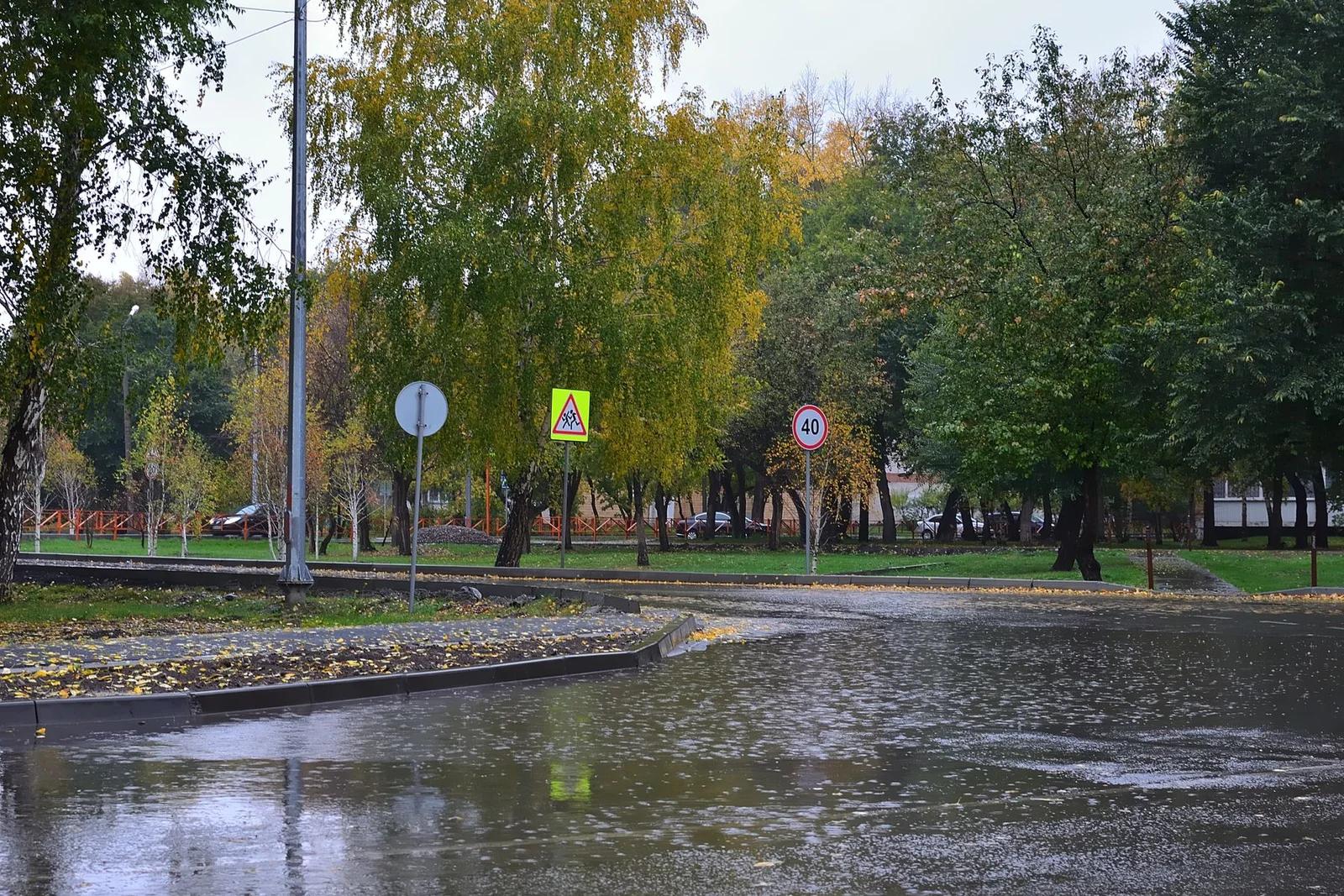
Leptospirosis bacteria can reach water and soil through infected animals’ urine. Contact with contaminated water after heavy rain or flooding can increase exposure risk.
Sources: [1] CDC
Symptoms can begin 2–30 days later
Possible symptoms include fever, muscle aches, headache, nausea and red eyes. Symptoms alone cannot distinguish it from other illnesses.
Good to know: Get assessed promptly if you suspect infection; do not wait for every symptom to appear.
Sources: [1] CDC
Details to bring to your appointment

Severe infection can affect the kidneys, liver or breathing. Early assessment matters. Do not self-prescribe preventive antibiotics after wading; ask a clinician to assess your situation.
- Where and when you encountered floodwater or soil
- When symptoms began and whether you had any cuts
- Your medicines, medical conditions and allergies
Sources: [1] CDC
Reduce further exposure
Also see wound care after flooding if you have a cut or puncture.
- Stay out of floodwater whenever possible
- Cover cuts with waterproof dressings and wear protective boots
- Wash exposed skin with soap and clean water
Frequently asked questions
No. But fever after possible exposure deserves assessment. Tell your clinician about the water or soil contact rather than diagnosing yourself from symptoms.
Related services
Related articles
Sources
- [1] About leptospirosis CDCAccessed 9 October 2026
- [2] Floodwater safety CDCAccessed 9 October 2026
This content is general information and does not replace an examination, diagnosis or personal advice from a doctor. Published 9 October 2026
How we select sources and handle corrections