Tumour markers make a health check package look complete and reassuring, and they also cause the most unnecessary worry. A slightly raised value can come from many ordinary causes, and a normal value doesn't guarantee there is no cancer. Below is who these tests are for.
Key takeaways
- Tumour markers can assist diagnosis, treatment planning and follow-up in selected settings; they are not a general cancer-screening panel for everyone.
- Values rise with hepatitis, smoking, periods, an enlarged prostate or inflammation, while many early cancers show normal values.
- Liver-cancer surveillance requires risk-based eligibility, not merely any hepatitis infection. PSA screening requires discussion of benefits and harms.
- Other screening, such as cervical, breast or colorectal screening, depends on age and risk; tumour markers do not replace those tests.
What a tumour marker is
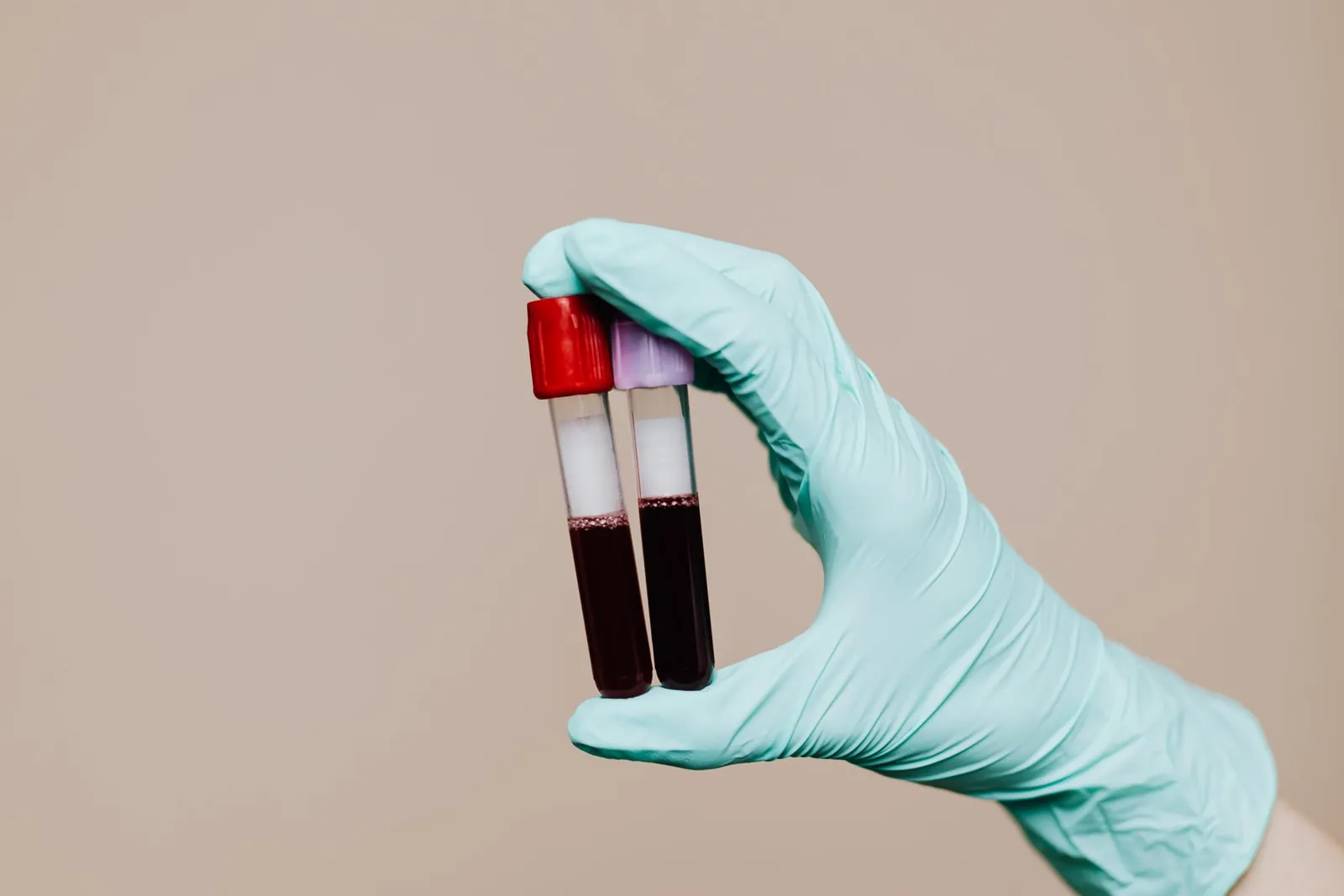
Tumour markers may be measured in blood or tissue and arise from cancer cells or the body’s response. Some rise in non-cancer conditions, while some cancers produce normal results. Interpretation needs history, examination and sometimes imaging or biopsy. Uses include selected diagnosis, treatment selection and follow-up; one blood panel cannot detect every cancer.
Sources: [1] National Cancer Institute, U.S. National Institutes of Health
The four found in packages
Scroll sideways to read the full table →
| Marker | Linked cancers | Other causes of a high value | Who benefits from testing |
|---|---|---|---|
| AFP | Liver and some germ-cell cancers | Liver disease and other conditions | With ultrasound for eligible liver-cancer surveillance, or another clinician-defined indication |
| CEA | Follow-up of selected cancers, including colorectal cancer | Non-cancer conditions can increase it | A treating clinician’s plan; not a standalone general screen |
| CA-125 | Selected ovarian-cancer assessment and follow-up | Non-cancer conditions can increase it | Clinical assessment with other information; family history alone does not mandate testing |
| PSA | Prostate assessment and cancer follow-up | Benign enlargement or inflammation | U.S. USPSTF: individual screening decision at 55–69; no routine screening from 70 |
Sources: [1] National Cancer Institute, U.S. National Institutes of Health, [2] U.S. Preventive Services Task Force, [3] สมาคมโรคตับแห่งประเทศไทย
Does a high value mean cancer?
A raised result does not establish cancer, and a normal result does not exclude it. Testing without an indication can lead to repeat tests, imaging or biopsy, with risks, costs and anxiety. One cutoff or one result is not a diagnosis.
If symptoms or an abnormal result are present, seek appropriate evaluation. A normal tumour-marker result is not a reason to postpone indicated screening.
Good to know: If you've already been tested and a value is high, don't panic. Bring the result to a doctor to assess symptoms and history, and repeat or add tests as appropriate. One value is not a diagnosis.
Sources: [1] National Cancer Institute, U.S. National Institutes of Health, [2] U.S. Preventive Services Task Force
So who should test?

- Liver cancer: the 2021 Thai guideline identifies risk groups including surveillance-eligible cirrhosis, selected chronic HBV by age/sex or first-degree family history, and HCV with advanced fibrosis. A clinician must confirm current eligibility, tests and intervals; AFP every six months is not a rule for every infected person.
- PSA: U.S. USPSTF recommends an individual decision for asymptomatic men aged 55–69 and recommends against routine screening at 70 or older. Discuss false positives, biopsy, overdiagnosis and overtreatment. This is not a prohibition on investigating symptoms.
- Family history may require risk assessment or referral; it does not justify every tumour marker.
- Unexplained weight loss, persistent bloating, urinary changes or other new symptoms require assessment, not a tumour-marker package in place of evaluation.
Sources: [1] National Cancer Institute, U.S. National Institutes of Health, [2] U.S. Preventive Services Task Force, [3] สมาคมโรคตับแห่งประเทศไทย
Who is the clinic's Plan C for?
Plan C costs 4,400 baht and adds tests to Plan B, including several tumour markers. An indication for one test does not justify the whole panel, and wanting a test does not prove benefit. Discuss indications and harms individually, or choose specific tests. See the current plan comparison and risk-based check-up guide.
Sources: [1] National Cancer Institute, U.S. National Institutes of Health
Frequently asked questions
For people without risk factors the evidence doesn't support it: sensitivity is low in early disease and false positives are common. Screening proven to reduce deaths is cervical screening, mammography and bowel cancer screening.
Related services
Related articles
Sources
- [1] Tumor Markers National Cancer Institute, U.S. National Institutes of Health
- [2] Prostate Cancer: Screening U.S. Preventive Services Task Force
- [3] Thai hepatocellular carcinoma guideline (2021), surveillance recommendations 12–18 สมาคมโรคตับแห่งประเทศไทยAccessed 12 October 2026
This content is general information and does not replace an examination, diagnosis or personal advice from a doctor. Published 21 September 2026
How we select sources and handle corrections