Monitoring diabetes: reading FBS, HbA1c and home glucose readings
The difference between fasting glucose, HbA1c and home meter readings, and how to record them so the doctor can plan your care.
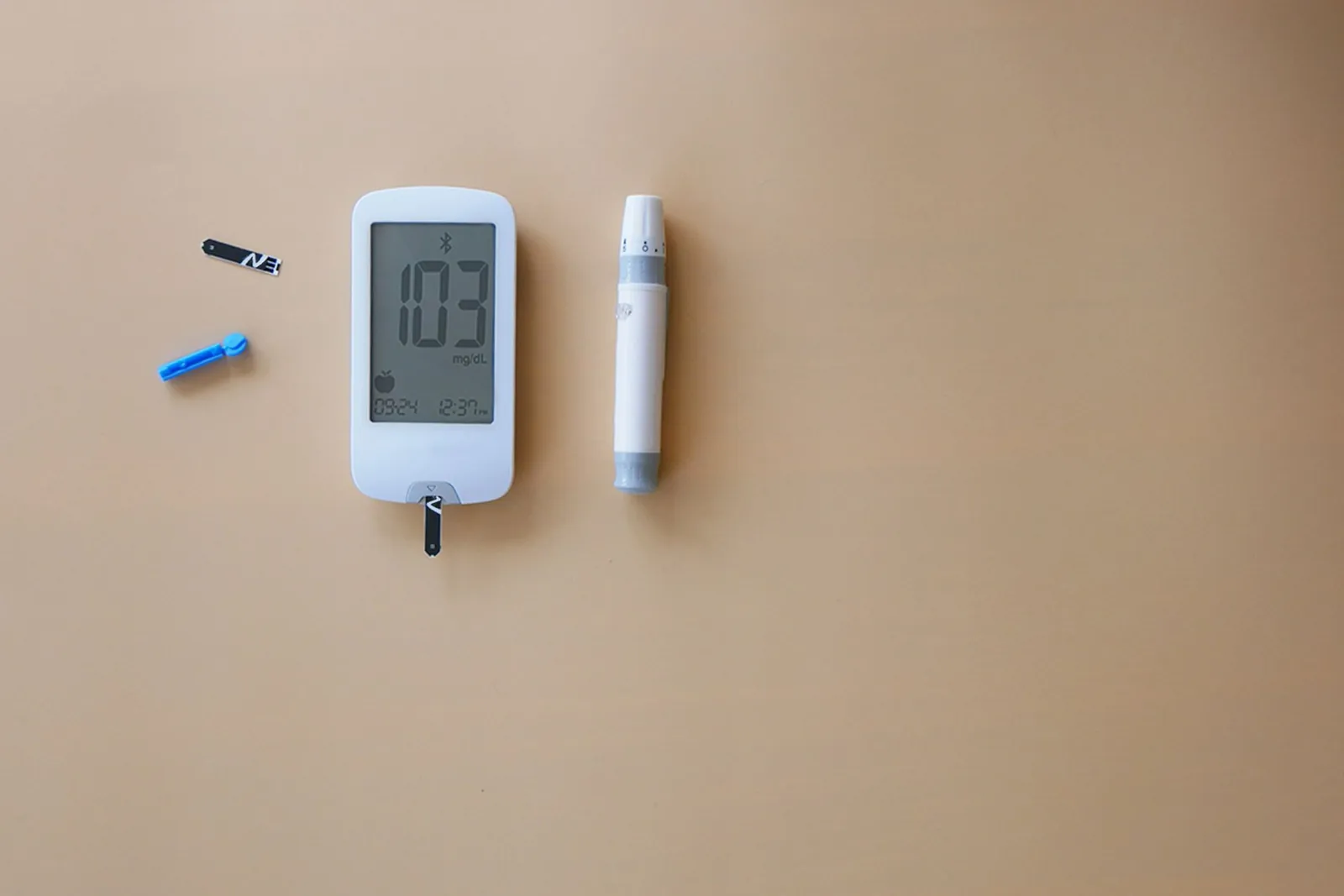
Many patients arrive with a notebook full of glucose readings and ask whether their diabetes is under control. The answer needs more than one number. A fingerprick reading shows the level at that moment; HbA1c reflects the average over months; and both must be read alongside medication, food, exercise and any episodes of low blood sugar.
Key takeaways
- FBS, or fasting plasma glucose, is the blood sugar after fasting as instructed.
- HbA1c needs no fasting and shows the long-term trend, but certain conditions can distort it.
- Targets are adjusted for age, pregnancy, other conditions and the risk of low blood sugar.
- Recording the time, meal, medication, activity and symptoms with each number is far more useful than the number alone.
What each value tells you
- FBS: blood sugar after fasting; used for screening, diagnosis or monitoring depending on context
- HbA1c: the share of haemoglobin bound to sugar, reflecting the average over recent months; no fasting needed
- Fingerprick glucose: a snapshot at the time of measurement, showing the effect of meals, medication, exercise, stress or illness
- CGM: a continuous trend and time in range, but it must be used as advised and its limitations understood
Targets differ from person to person
The American Diabetes Association gives example targets for most non-pregnant adults with diabetes: HbA1c below 7%, pre-meal glucose 80–130 mg/dL, and below 180 mg/dL 1–2 hours after starting a meal. These numbers don't suit everyone.
Older adults, people with kidney or heart disease, frequent low blood sugar, pregnancy or limits on self-care may need different targets. Don't adjust medication yourself because one reading is above or below target.
Good to know: If you have shaking, sweating, palpitations, confusion or loss of consciousness with suspected low blood sugar, follow the emergency plan your doctor gave you and get help immediately if it's severe.
Why HbA1c may not match home readings
HbA1c is an average, so it doesn't show every swing up and down. Anaemia from certain causes, blood loss, transfusion, kidney or liver disease, or haemoglobin variants can also distort the result.
If HbA1c doesn't match your home readings, bring your records and meter to the doctor. They may review your technique, repeat the test or choose another test. Don't assume the meter or the lab is wrong straight away.
How to record so the next appointment is useful
- Note the date, time and how many hours before or after a meal
- Note meals, activity, stress, sleep or illness that differed from usual
- Note medication and the time taken, without changing the dose yourself
- Circle unusually low or high values with symptoms and what you did about them
- Bring the notebook, meter and medication list to the appointment
Frequently asked questions
The general diagnostic cut-off is 6.5% or higher, but without clear symptoms it must be confirmed by a repeat or another standard test, and some conditions can distort HbA1c.
Related services
Sources
- Check Your Blood Glucose American Diabetes Association
- The A1C Test & Diabetes National Institute of Diabetes and Digestive and Kidney Diseases
- Managing Diabetes National Institute of Diabetes and Digestive and Kidney Diseases
This content is general information and does not replace an examination, diagnosis or personal advice from a doctor. Published 1 July 2026

Everyone's health is different
If you have a health condition, take regular medication, are pregnant or have unusual symptoms, let a doctor assess you first. Message us on LINE.