Do I need to fast before a health check? How to prepare so your results are clear
Which blood tests may need fasting, whether you can drink water or take medication, and what to do if you ate before the blood draw.
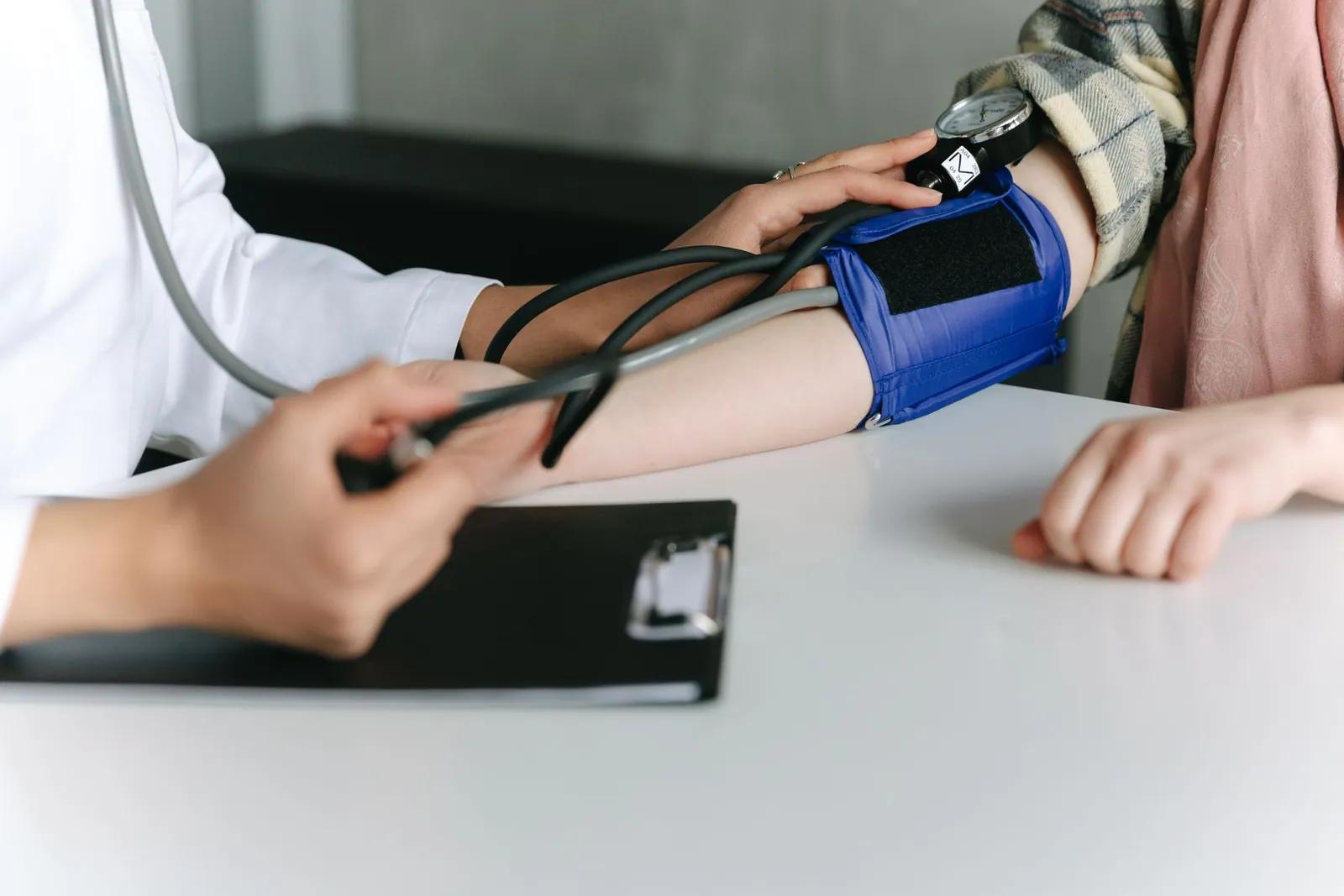
This is the question we hear most before a test day. Some tests need fasting and some don't; it depends on what the doctor has ordered. Fasting unnecessarily also makes some people unwell, especially those on blood-sugar medication, older adults and pregnant women.
Key takeaways
- If you're told to fast, it's usually 8–12 hours depending on the tests.
- Plain water is fine while fasting unless you've been told otherwise.
- Don't stop regular medication on your own. Ask the doctor or clinic before the test day.
- If you ate or drank something else by mistake, tell the staff honestly so they can reschedule or interpret the results appropriately.
Which tests may need fasting
A fasting plasma glucose test needs a period without energy from food. Some lipid tests may also ask for fasting, especially when triglycerides need to be assessed precisely, though in many situations the doctor can use non-fasting results.
HbA1c reflects average blood sugar over several months and needs no fasting, and some blood-count tests don't either. So don't apply one rule to every package.
If you do need to fast: what to do and what to avoid
- Count the hours the clinic tells you, usually 8–12. A morning slot makes it easier
- Drink plain water as normal; it keeps you hydrated and can make the blood draw easier
- Avoid coffee, tea, sweet drinks, fruit juice, alcohol, chewing gum, smoking and hard exercise while fasting
- Get enough rest, and tell the staff if you feel faint, sweaty, shaky or weak
Medication, vitamins and chronic conditions
Some medications and supplements can affect results, but stopping them on your own can be more dangerous, especially insulin, diabetes and blood pressure medication, and blood thinners. Send the clinic your medication list before the test day and follow the individual advice.
People with diabetes, pregnant women, older adults and anyone who has had low blood sugar should say so when booking, as the test time, food or medication may need adjusting safely.
Good to know: If you ate or had a drink with calories by mistake, don't hide it. Tell us what and when. The staff will work out which tests can go ahead and which should be rebooked.
Checklist before leaving home
- Confirm the tests and fasting time with the clinic
- Bring your ID, medication list and previous results if you have them
- Bring a snack for after the blood draw
- Allow time for the doctor to review your symptoms and risks; don't choose tests by the number alone
Frequently asked questions
Usually yes, if you're fasting for a blood test. But always follow the specific instructions for your tests or procedure.
Related services
Sources
- Fasting for a Blood Test MedlinePlus, U.S. National Library of Medicine
- Diabetes & Prediabetes Tests National Institute of Diabetes and Digestive and Kidney Diseases
This content is general information and does not replace an examination, diagnosis or personal advice from a doctor. Published 1 July 2026

Everyone's health is different
If you have a health condition, take regular medication, are pregnant or have unusual symptoms, let a doctor assess you first. Message us on LINE.