Lipid results are the most confusing part of a report: there are four values, and the same number can be 'normal' for one person and 'too high' for another. Below is what each value means, how targets are set, and why the decision about medication depends on overall risk.
Key takeaways
- The LDL target depends on overall cardiovascular risk, the treatment guideline and your health; one target does not apply to every person with diabetes or every previous stroke.
- HDL should be ≥40 in men and ≥50 mg/dL in women · triglycerides <150 mg/dL · total cholesterol <200 mg/dL.
- Starting medication is based on 10-year overall risk, not LDL alone. The exception is LDL ≥190, which usually needs medication regardless.
- Fasting requirements depend on the purpose of testing and previous triglyceride results. Follow the clinician’s instructions.
The four values in a lipid panel
General adult categories, not individual treatment targets; interpret with the report and overall risk.
Scroll sideways to read the full table →
| Value | Role | General cut-offs (mg/dL) |
|---|---|---|
| Total cholesterol (TC) | All lipids combined; the overview | <200 desirable · 200–239 borderline · ≥240 high |
| LDL | Builds up in artery walls; lower is better | <100 optimal · 100–129 near optimal · 130–159 borderline · 160–189 high · ≥190 very high |
| HDL | Helps clear cholesterol from arteries | Low: <40 in men, <50 in women; a higher HDL alone does not guarantee low risk |
| Triglycerides (TG) | Fat from excess energy | <150 normal · 150–199 borderline · 200–499 high · ≥500 very high (pancreatitis risk) |
Why LDL targets differ from person to person
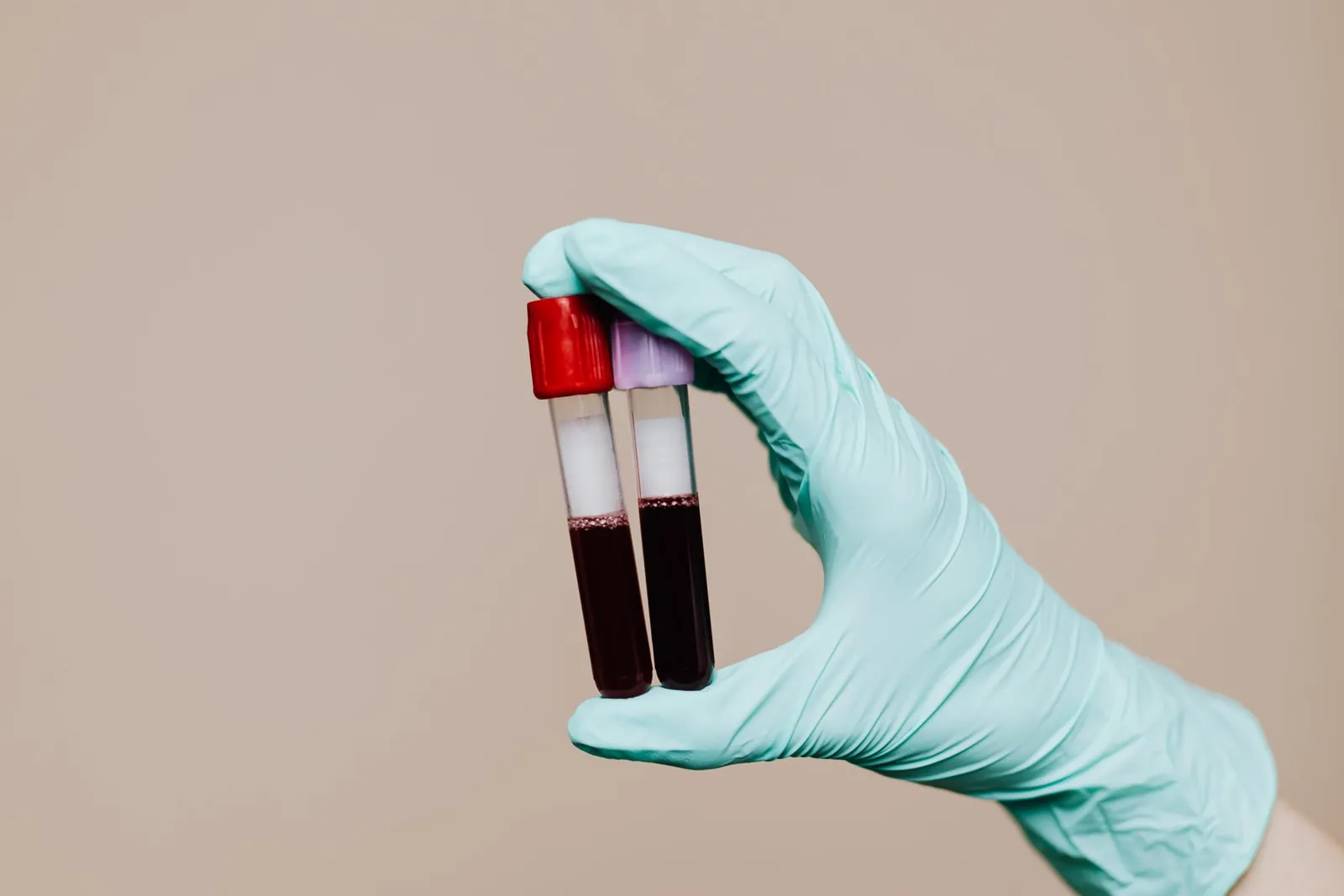
A personal LDL target depends on the full history and cardiovascular risk. Established cardiovascular disease, diabetes, kidney disease, family history and other factors may change the recommendation; a single number or diagnosis is not enough to choose treatment.
The doctor estimates your 10-year cardiovascular risk from age, sex, blood pressure, smoking, diabetes and lipids. Thailand has its own Thai CV Risk Score calibrated for Thai people.
When medication is needed
- Very high LDL, previous cardiovascular disease, diabetes or high overall risk warrant a clinician’s treatment assessment
- High-risk patients should not automatically wait 3–6 months before discussing medication
- Very high triglycerides need assessment of pancreatitis risk, secondary causes and treatment; do not choose medication yourself
Good to know: Do not stop or change lipid medication on your own. If you suspect an adverse effect, ask the treating clinician how to assess it and whether the regimen needs changing.
Do I need to fast?

Some lipid tests can be interpreted without fasting; other purposes require fasting. Tell the clinician about previous triglyceride results and follow the instructions for the tests ordered. See fasting before a health check.
Lifestyle measures to discuss
- Cut saturated and trans fats: animal skin, fatty meat, coconut milk, bakery goods, reused frying oil. These affect LDL more than dietary cholesterol does
- Increase suitable sources of fibre such as oats, beans, vegetables and whole fruit; individual response varies
- Cut sugar, refined starch and alcohol, the main drivers of high triglycerides
- 150 minutes of moderate exercise a week, one of the few things that raises HDL
- Stop smoking and ask for support if needed
- Lose 5–10% of body weight if overweight; it helps both triglycerides and LDL
Follow-up
The treating clinician chooses when to repeat lipids after a treatment change and during ongoing care. Review the trend, medication and possible adverse effects. Individual tests can be selected instead of repeating a whole package. See reading blood results.
Frequently asked questions
LDL is what counts. Total cholesterol can look normal because a low HDL pulls it down. The doctor assesses overall risk from LDL and other factors to decide.
Related services
Related articles
Sources
- [1] Heart Association of Thailand: resource directory (not a specific guideline) The Heart Association of Thailand under the Royal Patronage
- [2] 2019 ESC/EAS Guidelines for the management of dyslipidaemias European Society of Cardiology
- [3] Cholesterol Levels: What You Need to Know MedlinePlus, U.S. National Library of Medicine
This content is general information and does not replace an examination, diagnosis or personal advice from a doctor. Published 21 September 2026
How we select sources and handle corrections