A blood test report is full of abbreviations, and the numbers in bold or with an asterisk are unnerving. Below, section by section, is what each value measures, roughly where normal lies, and which results mean you should come back and talk to a doctor. Reference ranges differ slightly between laboratories, so go by the range printed on your own report.
Key takeaways
- A single slightly abnormal value doesn't mean disease. Many values move with food, sleep, exercise and short-term illness.
- Fasting glucose ≥126 mg/dL or HbA1c ≥6.5% is in the diabetes range for non-pregnant adults, but diagnosis needs clinical interpretation and usually confirmation. Other abnormal results also need context.
- Read values as a set, not one at a time: kidney means creatinine with eGFR; anaemia means haemoglobin with MCV.
- Ask when each result needs review. Some changes need prompt care; there is no universal rule to wait 2–4 weeks before repeating or acting on an abnormal result.
CBC: complete blood count
Scroll sideways to read the full table →
| Value | What it measures | Reference range | What to discuss |
|---|---|---|---|
| Hb (haemoglobin) | Oxygen-carrying protein in red blood cells | Use the range on your report | Low or high values have several causes; review with symptoms and other CBC values |
| MCV | Red cell size | Use the range on your report | Low = iron deficiency or thalassaemia · high = B12/folate deficiency, alcohol |
| WBC (white cells) | Immunity | Use the range on your report | High = infection, inflammation, stress · low = viral illness, medication or marrow disease |
| Platelets | Clotting | Use the range on your report | Low = dengue, medication, liver disease · high = inflammation, iron deficiency |
CBC patterns can help a clinician investigate anaemia, infection and other conditions, but cannot confirm a cause alone. Reference ranges and units depend on the laboratory and patient group. Do not start iron solely from an abnormal CBC.
Sources: [1] MedlinePlus, U.S. National Library of Medicine, [4] MedlinePlus, U.S. National Library of Medicine
Sugar: FBS and HbA1c
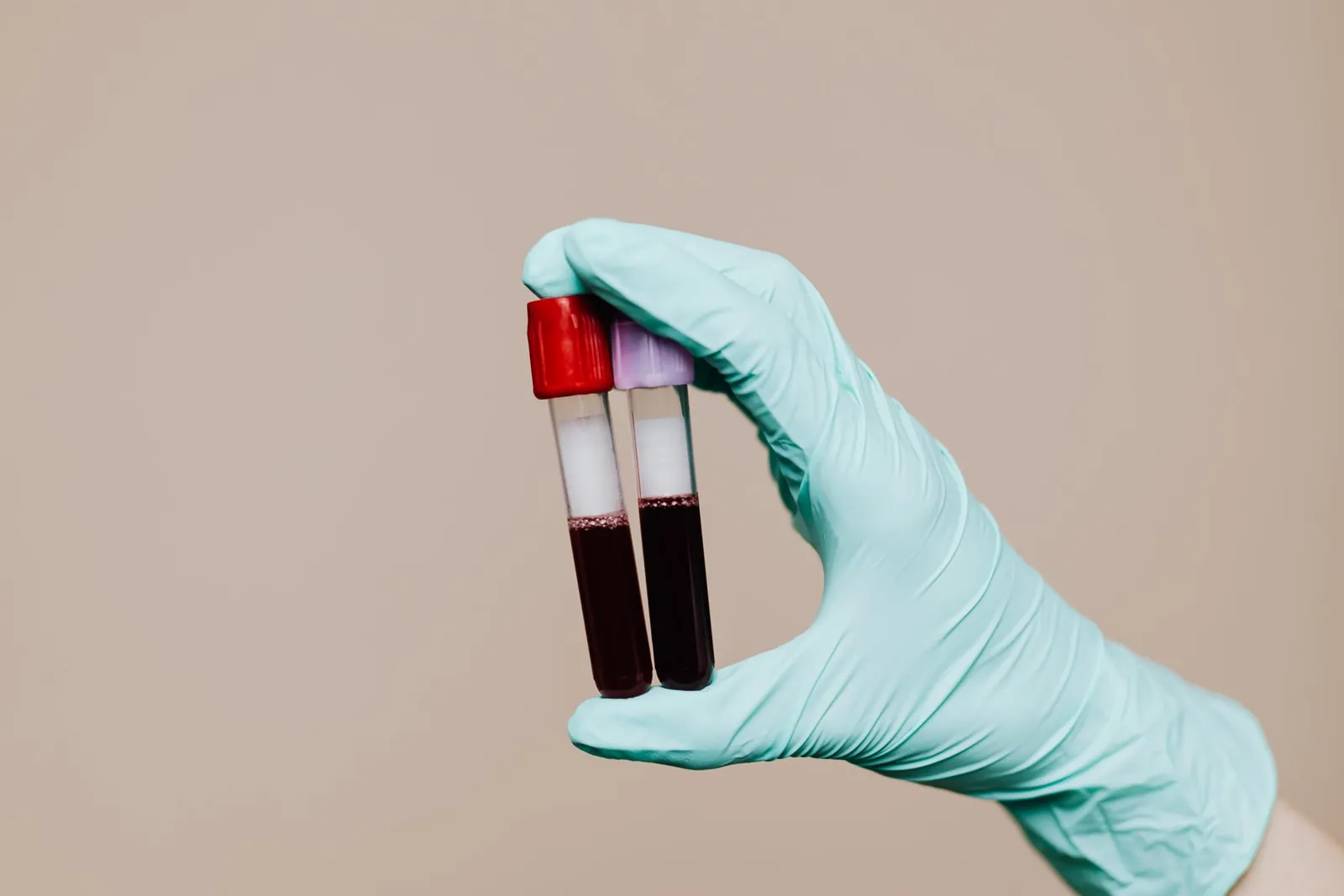
Diagnostic ranges for non-pregnant adults; not personal treatment targets. A clinician usually confirms an abnormal diagnostic result with further testing.
Scroll sideways to read the full table →
| Value | Normal | At risk (prediabetes) | Diabetes range |
|---|---|---|---|
| FBS (after 8 h fasting) | <100 mg/dL | 100–125 mg/dL | ≥126 mg/dL (confirm with a repeat) |
| HbA1c (3-month average) | <5.7% | 5.7–6.4% | ≥6.5% |
A single slightly high FBS can come from incomplete fasting, poor sleep or stress. HbA1c doesn't depend on your last meal, so it's good for confirmation. If you're in the at-risk range, diet and exercise changes work best now. See the values used to monitor diabetes.
Sources: [2] NIDDK / NIH
Lipid profile
A lipid panel includes total cholesterol, LDL, HDL and triglycerides. Personal LDL treatment targets depend on cardiovascular risk and the guideline used; a universal target cannot be assigned from diabetes or age alone. See normal LDL and HDL values.
High TG usually goes with starchy and sugary food, alcohol and not fasting before the test. Low HDL goes with inactivity and smoking. See targets for each group in normal LDL and HDL values.
Liver: AST, ALT, ALP
Scroll sideways to read the full table →
| Value | Approximate reference range | High usually means |
|---|---|---|
| ALT (SGPT) | Use the range and units on your report | Fatty liver, medication, alcohol, viral hepatitis. More liver-specific than AST |
| AST (SGOT) | Use the range and units on your report | Liver, but also raised by muscle after hard exercise |
| ALP | Use the range and units on your report | Bile ducts, bone; normally raised in growing children and pregnancy |
Liver-test abnormalities can have several causes, including medicines and supplements. They do not by themselves identify a disease or automatically require one fixed set of tests. Bring your medication list so the clinician can choose the next assessment.
Kidney: BUN, creatinine, eGFR

Scroll sideways to read the full table →
| Value | Approximate reference range | Notes |
|---|---|---|
| Creatinine (Cr) | Use the range on your report | Depends on muscle mass; bigger people naturally run higher |
| eGFR | Interpret with urine markers and persistence over time | Calculated from Cr, age and sex; used to stage kidney disease |
| BUN | Use the range on your report | Raised by dehydration or a high-protein diet; not always kidney damage |
KDIGO defines chronic kidney disease by kidney structure or function abnormalities present for at least 3 months. A single eGFR result does not establish chronicity, and an eGFR above 60 does not exclude kidney disease if other markers are present. Timing of repeat tests and urine assessment depends on the clinical situation.
Uric acid and urine
- A uric-acid result alone does not diagnose gout or decide whether medication is needed. Discuss symptoms, previous episodes and the reason for the test.
- Urine protein, blood or white cells require interpretation with symptoms, sampling conditions and other tests. One finding does not automatically establish diabetic kidney disease or infection.
- Tell staff about menstruation or possible contamination and follow their sample-collection instructions.
Sources: [1] MedlinePlus, U.S. National Library of Medicine, [3] Kidney Disease: Improving Global Outcomes
Results that mean come back soon, not next year
- A result flagged critical by the laboratory or a clinician needs action in the timeframe they specify
- A result in the diabetes range, kidney-function change or other abnormal trend needs a clinician’s interpretation and a follow-up plan
- Symptoms such as severe breathlessness, fainting, confusion or uncontrolled bleeding need urgent care; do not wait for a routine repeat test
- Bring previous reports, symptoms and your medication list. Do not diagnose or change medication from a number alone
Good to know: Bring your previous reports every time. A trend over several years says more than one number. The clinic offers individual blood tests to follow up an abnormal value without repeating the whole panel.
Sources: [1] MedlinePlus, U.S. National Library of Medicine, [2] NIDDK / NIH, [3] Kidney Disease: Improving Global Outcomes
Frequently asked questions
Usually not. The doctor typically repeats the test in 2–4 weeks with proper preparation, and investigates only if it's still abnormal. Very high values, or values with symptoms, should be seen soon.
Related services
Related articles
Sources
- [1] How to Understand Your Lab Results MedlinePlus, U.S. National Library of MedicineAccessed 11 October 2026
- [2] Diabetes Tests & Diagnosis NIDDK / NIHAccessed 11 October 2026
- [3] KDIGO 2024 Clinical Practice Guideline for the Evaluation and Management of Chronic Kidney Disease Kidney Disease: Improving Global OutcomesAccessed 11 October 2026
- [4] Complete Blood Count (CBC) MedlinePlus, U.S. National Library of MedicineAccessed 11 October 2026
- [5] Liver Function Tests MedlinePlus, U.S. National Library of MedicineAccessed 11 October 2026
This content is general information and does not replace an examination, diagnosis or personal advice from a doctor. Published 21 September 2026
How we select sources and handle corrections