Rabies is extremely dangerous once symptoms develop, but prompt post-exposure care can prevent illness. After a bite or scratch, wash the wound immediately and seek medical care. A clinician assesses the exposure, vaccine history and animal information.
Key takeaways
- Immediately wash the wound with soap and running water for at least 15 minutes, then seek medical care.
- Non-bleeding abrasions may require vaccination. Wounds through the skin or saliva on broken skin or mucous membranes also require assessment for RIG, considering previous vaccination.
- Seek medical care promptly without waiting to observe the animal. Coordinate 10-day dog or cat observation with animal-health professionals and your treating clinician. Do not stop vaccination yourself.
- Previous vaccination can change post-exposure treatment, but does not remove the need for immediate wound care and medical assessment. Bring records and disclose immune-suppressing treatment. Pre-exposure vaccine: 1,450 baht/2 doses
What to do in the first 15 minutes
- Immediately wash the wound gently with soap and clean running water for at least 15 minutes. Do not scrub a deep wound.
- If available, use an appropriate povidone-iodine solution after washing; do not delay care to find an antiseptic
- Let the clinician assess wound closure and infection prevention; do not close an animal bite yourself
- Note what the animal looked like. For a pet, get the owner's details and the animal's vaccination history; for a stray, remember where you saw it
- Go to a healthcare facility the same day. Do not wait to see whether the animal falls ill
Do I need the vaccine? Grade the exposure

WHO categories for contact with a potentially rabid animal. Vaccine regimens and RIG use also depend on previous vaccination and immune status.
Scroll sideways to read the full table →
| WHO category | What happened | What is needed |
|---|---|---|
| Category I | Touching or feeding the animal, licks on intact skin | Wash the area; no vaccine |
| Category II | Nibbling of bare skin, minor scratches or abrasions without bleeding | Wash the wound + full vaccine course |
| Category III | Bites or scratches through the skin, saliva on broken skin or mucous membranes, or direct bat contact; bleeding alone does not decide the category | Wound care + vaccination and assessment for RIG, considering previous vaccination and immune status |
WHO distinguishes minor non-bleeding scratches or abrasions (category II) from bites or scratches through the skin (category III). A clinician should examine the wound; looking only for blood is not enough to assess the exposure.
Good to know: Rats, rabbits, squirrels and other small rodents very rarely transmit rabies and usually do not require vaccination, but let the doctor assess each case. Direct physical contact with a bat needs urgent assessment even without a visible wound.
How many doses, and what immunoglobulin is
Post-exposure vaccines can be given intramuscularly or intradermally. Your clinician chooses the regimen and appointments using vaccine history, immune status and the facility’s guidance. Keep the appointment record; contact the treating team if a dose is delayed or missed rather than changing the course yourself.
Rabies immunoglobulin supplies antibodies while vaccine immunity develops and is used when indicated. Previously vaccinated people generally do not need it. Tell your clinician about vaccine records and immunosuppressive medicines. Availability varies by facility; do not postpone medical assessment while looking for a vaccine provider.
What '10-day observation' means
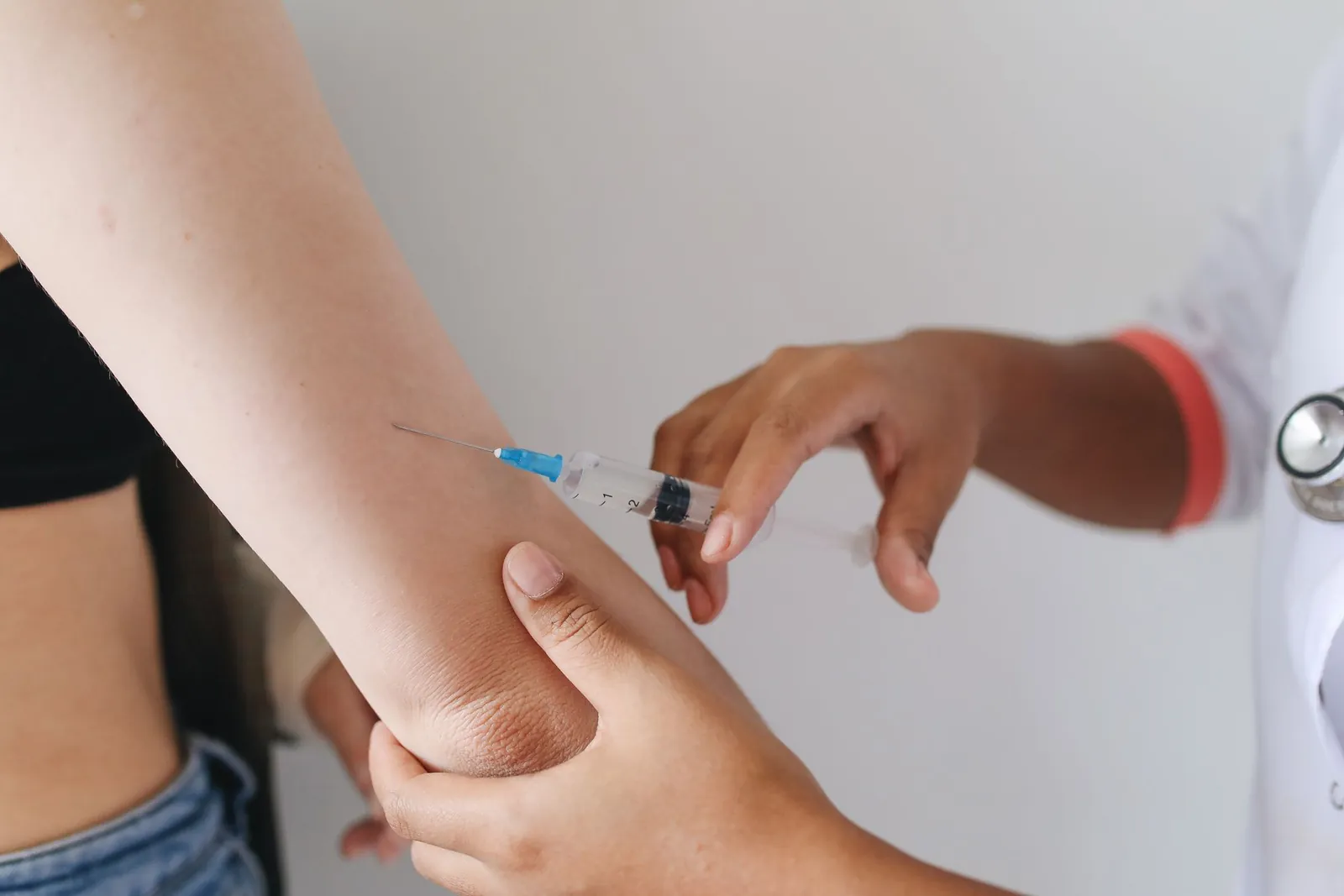
A healthy dog or cat can be observed for 10 days after the incident in coordination with veterinary or public-health professionals, even if vaccinated. Tell your treating clinician promptly if the animal becomes ill, dies or disappears. Observation informs medical decisions; it is not permission to stop vaccination yourself.
Do not wait 10 days before seeking assessment. A clinician decides post-exposure care using the exposure, your vaccination history and information about the animal.
Pre-exposure vaccination: who it is for and how it helps
Pre-exposure vaccination can simplify treatment after a future exposure, but does not make delayed care safe. After a bite or scratch, immediately wash the wound and seek medical assessment. The clinician reviews the original course, immune status and applicable regimen before deciding boosters or other treatment.
Ask about pre-exposure vaccination if your work or travel creates repeated exposure risk or makes prompt treatment difficult to access. A clinician should assess individual risk and follow-up needs. The clinic publishes a 2-dose pre-exposure package, 1,450 baht/2 doses, and corporate vaccination; confirm eligibility and stock.
Sources: [6] CDC
I've been bitten. Can I come to the clinic?
Seek prompt medical assessment after a potential exposure. If vaccine or RIG availability is uncertain, go to a facility able to provide assessment and arrange treatment; do not wait for a LINE reply. Call while arranging travel if practical. Animal bites also need assessment for injury and bacterial infection. See wound care.
Good to know: Previous vaccination does not guarantee that a particular clinic can provide the required regimen. Bring the record and disclose immune conditions and medicines; immediate assessment takes priority over stock enquiries.
Sources: [6] CDC
Frequently asked questions
Have a clinician check for an abrasion or a wound through the skin. Vaccination may be needed even without bleeding. Provide the cat’s vaccination record and arrange observation as advised. Do not stop remaining doses yourself.
Related services
Related vaccines
Related articles
Sources
- [1] Rabies vaccines: WHO position paper – April 2018 World Health Organization
- [2] Rabies clinical services and individual exposure assessment สถานเสาวภา สภากาชาดไทยAccessed 11 October 2026
- [3] โรคพิษสุนัขบ้า กรมควบคุมโรค กระทรวงสาธารณสุข
- [4] Rabies WHOAccessed 9 October 2026
- [5] Information for veterinarians: managing an animal that has bitten a person CDCAccessed 9 October 2026
- [6] Rabies post-exposure prophylaxis guidance CDCAccessed 9 October 2026
This content is general information and does not replace an examination, diagnosis or personal advice from a doctor. Published 21 September 2026
How we select sources and handle corrections