Dengue: how to spot the symptoms, and how much the vaccine helps
The dengue symptoms to watch for, the warning signs that need urgent care, and who the Qdenga (TAK-003) dengue vaccine suits.
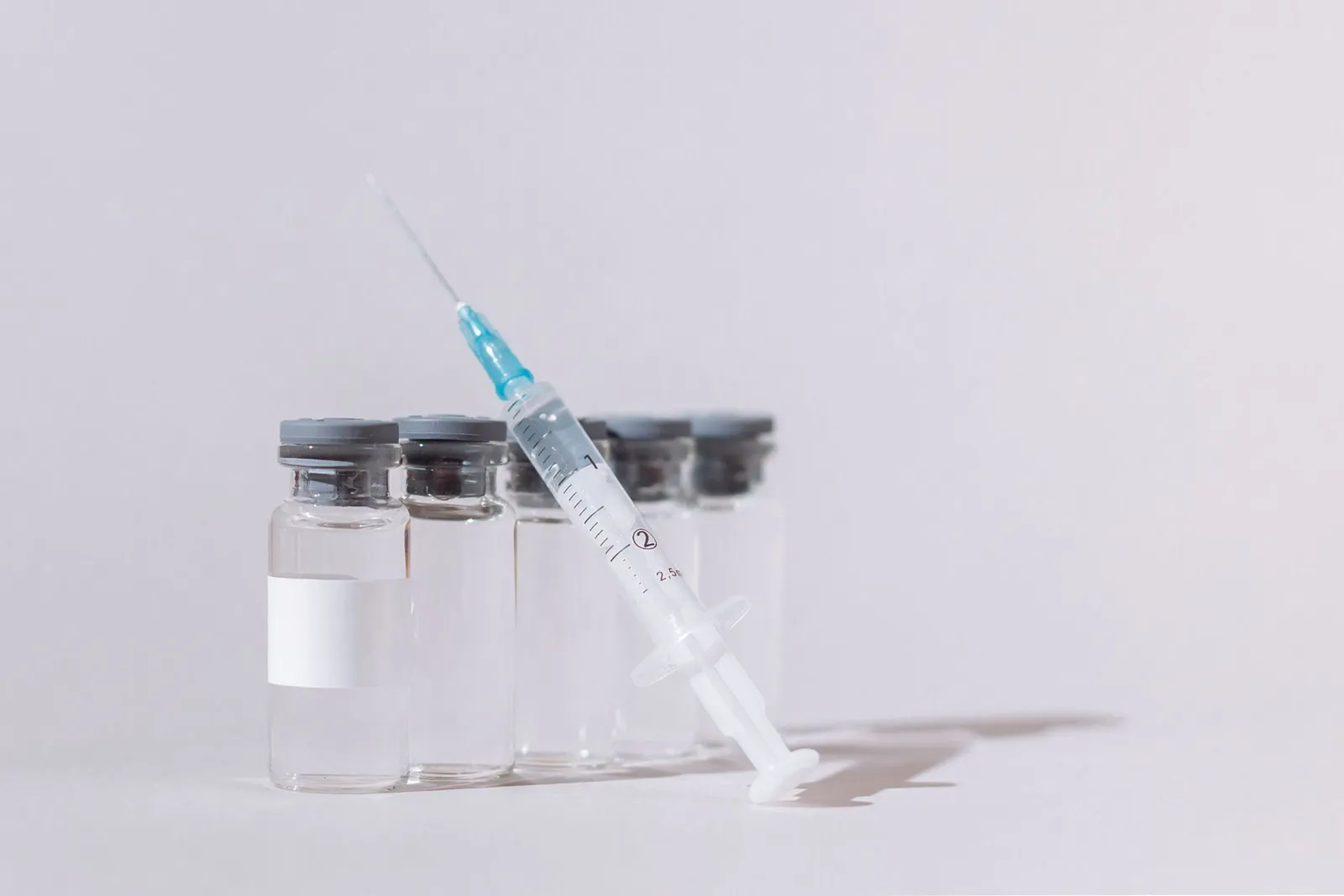
Many people think of dengue as a children's disease, but adults can become seriously ill too, especially those with chronic conditions. Today, alongside clearing mosquito breeding sites and avoiding bites, there is a vaccine that reduces severity and the chance of needing hospital care.
Key takeaways
- The classic signs are a persistent high fever, headache, body aches, nausea and vomiting, and red spots or a rash.
- The most dangerous phase is when the fever starts to fall, not when it's highest.
- Don't take aspirin or NSAIDs on your own; they increase the risk of bleeding.
- The Qdenga (TAK-003) vaccine can be given from age 4 to 60 with no antibody test beforehand.
Symptoms to watch for
- A high fever that persists for several days
- Headache, pain behind the eyes, muscle and joint pain
- Nausea, vomiting, loss of appetite
- Small red spots or a rash on the body
- Flushed face, red eyes; children may be unusually drowsy
Warning signs that need a doctor now
Many people assume a falling fever means recovery. In dengue, the phase when the fever starts to drop is the one to watch most closely, because plasma leakage and shock can occur.
The WHO lists signs that need immediate hospital care: severe abdominal pain, persistent vomiting, rapid breathing, bleeding gums or nosebleeds, blood in vomit or stool, intense thirst, cold pale skin, severe weakness or restlessness.
Good to know: While feverish, use paracetamol at the appropriate dose only. Avoid aspirin and NSAIDs such as ibuprofen, which increase the risk of bleeding.
What the dengue vaccine does
Qdenga (TAK-003) is a live attenuated vaccine covering all four dengue serotypes, given as two doses three months apart, licensed from age 4 to 60, with no blood test for prior immunity needed.
Data the clinic cites from the Vaccine Trial Centre, Faculty of Tropical Medicine, Mahidol University put efficacy at about 90.4% against hospitalisation, 85.9% against severe disease and 80.2% against symptomatic infection. These figures come from the study populations; individual results may differ.
Who doctors suggest should consider it
- School-age children around 10–14, the group with the highest case rates
- Adults aged 45 and over, who are at risk of severe illness
- People with chronic conditions such as diabetes, high blood pressure, heart, kidney, liver or lung disease
Good to know: The vaccine doesn't replace avoiding mosquito bites and clearing breeding sites; both still matter. Suitability must be assessed by a doctor individually.
Frequently asked questions
Usually yes, and this group often benefits most, because a second infection with a different serotype is linked to more severe illness. Let the doctor assess your history first.
Related services
Sources
- Dengue and severe dengue World Health Organization
- Dengue MedlinePlus, U.S. National Library of Medicine
This content is general information and does not replace an examination, diagnosis or personal advice from a doctor. Published 6 August 2026

Everyone's health is different
If you have a health condition, take regular medication, are pregnant or have unusual symptoms, let a doctor assess you first. Message us on LINE.