Cat scratch or dog bite: do I need the rabies vaccine? What to do in the first 24 hours
How to grade an animal wound using the WHO exposure categories, how to wash it, how many doses are needed, when immunoglobulin is required, what the 10-day animal observation means, and how pre-exposure vaccination helps.
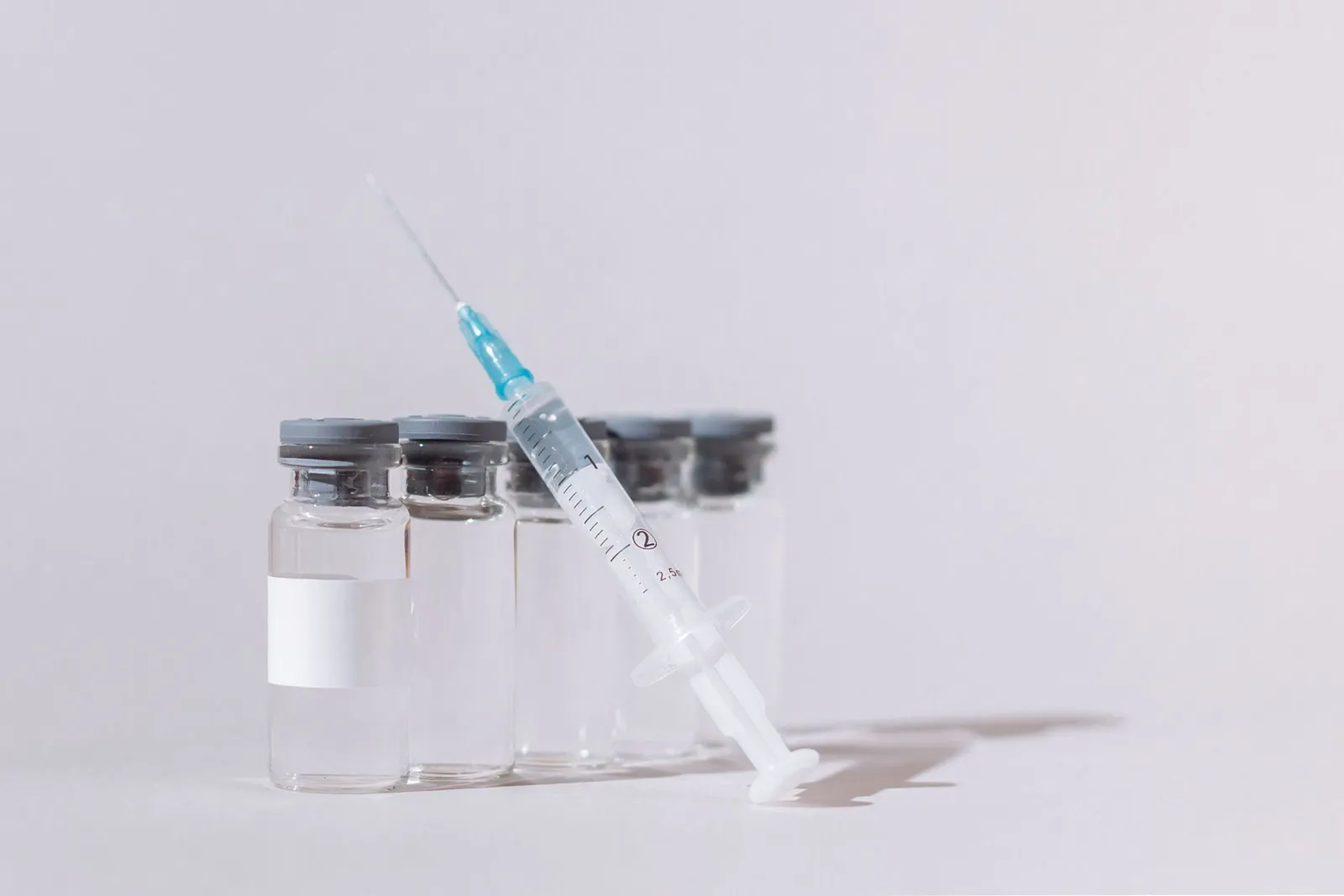
Rabies is almost always fatal once symptoms appear, and almost 100% preventable if the right things are done in time. Thailand still records deaths every year, mostly because the wound seemed too small to matter or the animal was a familiar pet. Below are the criteria for deciding, and what to do in the first hour.
Key takeaways
- Wash the wound immediately with soap under running water for 15 minutes. It is the step that cuts risk the most and the one people do least.
- A graze or scratch that breaks the skin even without bleeding (category II) needs the vaccine. A bleeding wound, or saliva on broken skin or mucous membranes (category III) needs the vaccine plus immunoglobulin
- Get to a healthcare facility within 24 hours. Do not wait to see how the animal does; if it is still healthy after 10 days the course can be stopped.
- Anyone who completed pre-exposure vaccination needs only 2 booster doses after a bite and no immunoglobulin. The pre-exposure vaccine at the clinic is 1,450 baht/2 doses
What to do in the first 15 minutes
- Wash the wound with soap under clean running water for at least 15 minutes, rubbing gently to the bottom of the wound. This step removes more virus than anything else
- Apply povidone-iodine or 70% alcohol to the wound after washing
- Do not squeeze, press hard or bandage tightly, and the wound should not be sutured immediately
- Note what the animal looked like. For a pet, get the owner's details and the animal's vaccination history; for a stray, remember where you saw it
- Go to a healthcare facility the same day. Do not wait to see whether the animal falls ill
Do I need the vaccine? Grade the exposure
| WHO category | What happened | What is needed |
|---|---|---|
| Category I | Touching or feeding the animal, licks on intact skin | Wash the area; no vaccine |
| Category II | Nibbling of bare skin, minor scratches or abrasions without bleeding | Wash the wound + full vaccine course |
| Category III | Bites or scratches that break the skin and bleed, even a single one · licks on broken skin or mucous membranes (eyes, mouth) · any bat contact | Wash the wound + full vaccine course + immunoglobulin around the wound |
Many people think 'the cat scratch didn't bleed, so no vaccine'. But a scratch that breaks the skin, even without bleeding, is category II and needs the vaccine, because virus in saliva can be carried on the animal's claws. Another is 'it's an indoor cat, no risk'. That lowers the risk but does not remove it, and Thailand finds rabies in cats every year.
Good to know: Rats, rabbits, squirrels and other small rodents very rarely transmit rabies and usually do not require vaccination, but let the doctor assess each case. Bats always count as category III even when no wound can be seen.
How many doses, and what immunoglobulin is
The post-exposure schedule used in Thailand is 4–5 intramuscular doses on days 0, 3, 7, 14 (and 28 in some regimens), or the intradermal schedule of the Queen Saovabha Memorial Institute, which uses less vaccine. Day 0 is the day you start. The sooner the better, but even after several days' delay you must still begin, because the incubation period is weeks to months.
For category III exposure, rabies immunoglobulin (RIG), ready-made antibodies injected around the wound on the first day, is needed in addition to the vaccine, to hold the virus back during the 7–14 days the vaccine takes to build immunity. Immunoglobulin and post-exposure vaccine are available at every public hospital, most private hospitals and the Queen Saovabha Memorial Institute of the Thai Red Cross. Anyone bitten can be treated at a hospital under their health scheme, often at no cost.
What '10-day observation' means
A dog or cat shedding rabies virus in its saliva will show symptoms and die within 10 days. So if the animal that bit you is alive and well at day 10, it was not shedding virus at the time, and the doctor may stop the remaining doses. That is why it helps to know which animal bit you and be able to check on it.
Start the vaccine first and observe the animal second. Do not watch the animal for 10 days and then decide. If it dies on day 6, starting then may be too late for a wound on the face or hands, close to major nerves.
Pre-exposure vaccination: who it is for and how it helps
Pre-exposure prophylaxis is 2 doses on days 0 and 7 under the latest WHO recommendation. Once completed, a future bite needs only 2 booster doses on days 0 and 3 and no immunoglobulin, which is scarce and expensive, and there is far less worry about starting late, because the body already recognises the virus and responds very quickly.
It is recommended for people who keep several dogs or cats, people who feed strays, children who play with animals and may not report a scratch, veterinarians and their assistants, outdoor workers and delivery riders, and anyone travelling to remote areas where immunoglobulin is hard to obtain. The rabies pre-exposure vaccine at Mongkhondee Clinic is a 2-dose package at 1,450 baht/2 doses, including doctor and nursing fees, and is also offered on site for veterinary clinics and animal hospitals.
I've been bitten. Can I come to the clinic?
The clinic can wash the wound, grade the exposure, give a tetanus booster and advise immediately. Post-exposure vaccine and immunoglobulin, however, are supplies a small clinic cannot always keep in stock. If you have been bitten or scratched, message us on LINE or call first to ask whether the vaccine is available that day; if not, the team will direct you to the nearest hospital that has it, so no time is lost. Animal wounds also need watching for bacterial infection. Read signs of an infected wound.
Good to know: Anyone who has completed pre-exposure vaccination can conveniently have the 2 booster doses at the clinic, since no immunoglobulin is needed. Message us on LINE to confirm stock before coming.
Frequently asked questions
If the skin is broken it is category II and the guideline says vaccinate, even though the cat is vaccinated, because no vaccine is 100%. The cat's vaccination record and 10 days of observation let the doctor stop the remaining doses. If it is only a red mark with the skin intact, that is category I: wash it and no vaccine is needed.
Related services
Related vaccines
Related articles
Sources
- Rabies vaccines: WHO position paper – April 2018 World Health Organization
- แนวทางเวชปฏิบัติโรคพิษสุนัขบ้า และคำถามที่พบบ่อย สถานเสาวภา สภากาชาดไทย
- โรคพิษสุนัขบ้า กรมควบคุมโรค กระทรวงสาธารณสุข
This content is general information and does not replace an examination, diagnosis or personal advice from a doctor. Published 20 September 2026

Everyone's health is different
If you have a health condition, take regular medication, are pregnant or have unusual symptoms, let a doctor assess you first. Message us on LINE.