Can I transfer my diabetes or blood pressure care to a clinic near home? What to bring
Treated for diabetes, blood pressure or cholesterol at a hospital but want to collect your medication at a clinic near home? Whether it is possible, what to bring, whether the doctor will change your medication, and what it costs.
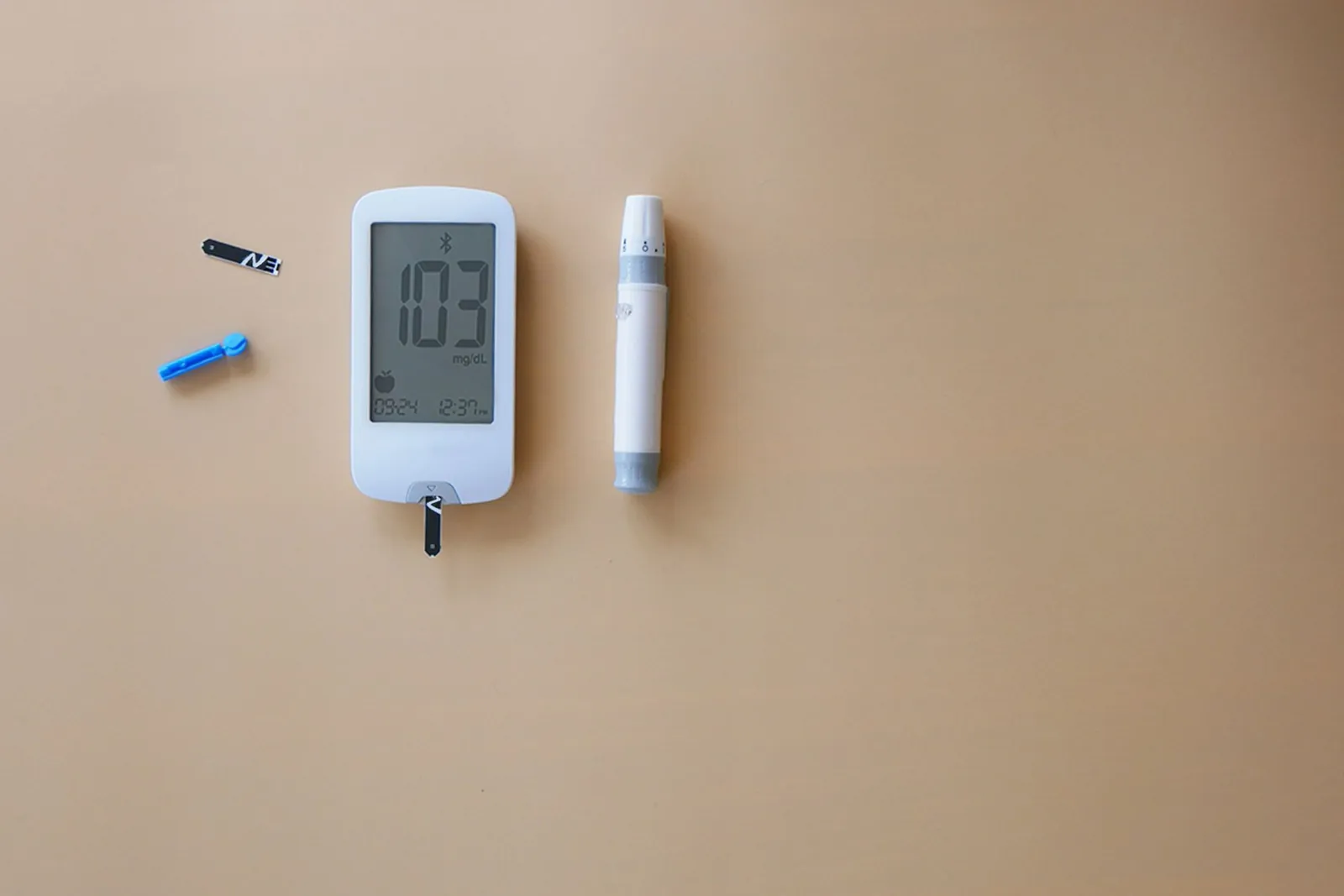
Many people with chronic conditions spend half a day every two or three months collecting medication at a large hospital, even though their condition is stable and nothing has changed. A neighbourhood clinic can take over in many cases, but a smooth handover depends on bringing enough information for the new doctor to see the same picture as the old one. Below is what to prepare, and which cases should stay with the hospital.
Key takeaways
- Possible for people whose condition is stable, who take standard medication and who have no complications needing a specialist.
- Bring: all your current medication or the latest prescription, your most recent blood results, and your home glucose or blood pressure diary.
- The doctor will not change medication that is working without a reason, but will repeat blood tests on schedule to confirm control.
- The cost is a doctor consultation of 200 baht per visit plus medication at actual price, quoted before dispensing.
Who can transfer to the clinic
- Type 2 diabetes on oral medication with HbA1c at target for at least 2 consecutive checks
- Hypertension controlled on 1–3 medications without serious complications
- High cholesterol on a statin with normal liver monitoring
- Anyone who wants somewhere convenient, open until evening and with short waits, to collect medication between distant hospital appointments
Who should stay with the hospital or a specialist
- Type 1 diabetes, or anyone on several insulins needing frequent dose adjustment
- Chronic kidney disease stage 3b or worse (eGFR under 45), where medication choices are complex
- Previous heart attack, heart failure or stroke still under specialist follow-up
- Anyone on high-cost medication or drugs that can only be claimed under that hospital's scheme
Good to know: Many people use both: a specialist visit at the hospital once or twice a year, with medication collected at the clinic in between, bringing the clinic's results to show the specialist.
What to bring the first time
| Bring | Why it matters |
|---|---|
| All current medication in its packaging, or the latest prescription | Lets the doctor see exact names, doses and how you take them |
| Most recent blood results (glucose, HbA1c, lipids, kidney, liver) | Shows where you stand now, and avoids repeating tests that are not yet due |
| Home glucose or blood pressure diary | Shows the picture between visits that a single blood test cannot |
| Drug allergies and medication that did not work for you | Prevents prescribing something that caused problems before |
| Hospital summary (if you can get one) | Helpful but not essential; medication and results are enough to start |
If you have no recent results or they are older than 6 months, the doctor will test at the first visit to set a baseline. The usual items are fasting glucose or HbA1c, lipids and kidney function, which can be ordered as individual blood tests without buying a package.
Will the doctor change my medication
If your medication controls your condition without side effects, you stay on the same drug at the same dose. Changes happen for a reason: values not at target, side effects, drug interactions, or a medication the clinic does not stock, in which case an equivalent drug from the same class is used. The doctor explains before any change.
The brand name may differ from what you had before, but the active ingredient and dose are the same. Keep your old packaging to compare, and tell the doctor if your symptoms or readings change after a brand switch.
What follow-up looks like at the clinic
- Visits every 1–3 months depending on how stable you are; each visit is short because the information is all there
- Blood pressure and weight every visit; fingerstick glucose when needed (100 baht)
- HbA1c every 3–6 months; lipids and kidney function at least yearly; a urine protein check yearly for people with diabetes
- A review of the vaccines chronic patients should have, such as the yearly flu vaccine and pneumococcal vaccine
- Referral to hospital with a written summary if complications appear or control is lost
Cost
The doctor consultation is 200 baht per visit. Medication is charged by item and by the number of days dispensed; staff quote the total before dispensing and issue a receipt with an itemised list for whatever scheme you claim under. To know the price of your regular medication in advance, send the names and doses by LINE and the team will check before you travel. See the overview at chronic condition care.
Good to know: The clinic can only continue medication when the doctor has examined you and has enough information. It cannot dispense against an old prescription without a consultation. Every healthcare facility works to the same standard.
Frequently asked questions
Yes. Bring your current medication during opening hours (Mon–Fri until 20:00, Sat–Sun until 18:00). The doctor can examine you and dispense in one visit if that medication is in stock. Message the names on LINE first so stock can be checked.
Related services
Related vaccines
Related articles
Sources
- แนวทางเวชปฏิบัติสำหรับโรคเบาหวาน 2566 สมาคมโรคเบาหวานแห่งประเทศไทย
- แนวทางการรักษาโรคความดันโลหิตสูงในเวชปฏิบัติทั่วไป พ.ศ. 2562 สมาคมความดันโลหิตสูงแห่งประเทศไทย
This content is general information and does not replace an examination, diagnosis or personal advice from a doctor. Published 20 September 2026

Everyone's health is different
If you have a health condition, take regular medication, are pregnant or have unusual symptoms, let a doctor assess you first. Message us on LINE.