High blood pressure has no symptoms. Most people find out when it is measured for a medical certificate or a health check, and then wonder whether the number is really high or just nerves, and if it is high, whether that means pills right away. The answers below follow the Thai Hypertension Society guideline, which looks at repeat measurements and overall risk more than any single reading.
Key takeaways
- The usual clinic threshold is systolic ≥140 or diastolic ≥90 mmHg, with correct measurement and clinical confirmation. Home-average thresholds are ≥135 or ≥85 respectively.
- The 2024 Thai guideline calls systolic 130–139 or diastolic 80–89 BP at risk. Lifestyle changes and risk assessment are needed; medication is not ruled out for everyone.
- Medication decisions depend on confirmed readings, cardiovascular disease, diabetes, kidney disease and organ damage. Do not decide on months of lifestyle-only care without assessment.
- Very high readings need prompt assessment. Chest pain, breathlessness, weakness, difficulty speaking or vision changes require emergency care.
What counts as high
mmHg, 2024 Thai adult classification for clinic readings; this is not a self-treatment chart
Scroll sideways to read the full table →
| Category | Systolic (top) | Diastolic (bottom) | What to do |
|---|---|---|---|
| Optimal | <120 | and <80 | Re-check every 1–2 years |
| Normal | 120–129 | and <80 | Monitor as part of your health plan |
| BP at risk | 130–139 | and/or 80–89 | Lifestyle changes and assessment of overall risk |
| Grade 1 hypertension | 140–159 | and/or 90–99 | Assess risk, lifestyle change, medication may be needed |
| Grade 2 hypertension | 160–179 | and/or 100–109 | Prompt clinical treatment assessment |
| Grade 3 hypertension | ≥180 | and/or ≥110 | Prompt assessment; emergency care if symptomatic |
High clinic readings with normal out-of-office readings may be white-coat hypertension. Cardiovascular risk and organ damage still need assessment, and some people may need medication. Do not stop treatment based only on home readings.
Sources: [1] สมาคมความดันโลหิตสูงแห่งประเทศไทย, [4] Thai Hypertension Society / Asian Biomedicine
How to measure so the numbers can be trusted
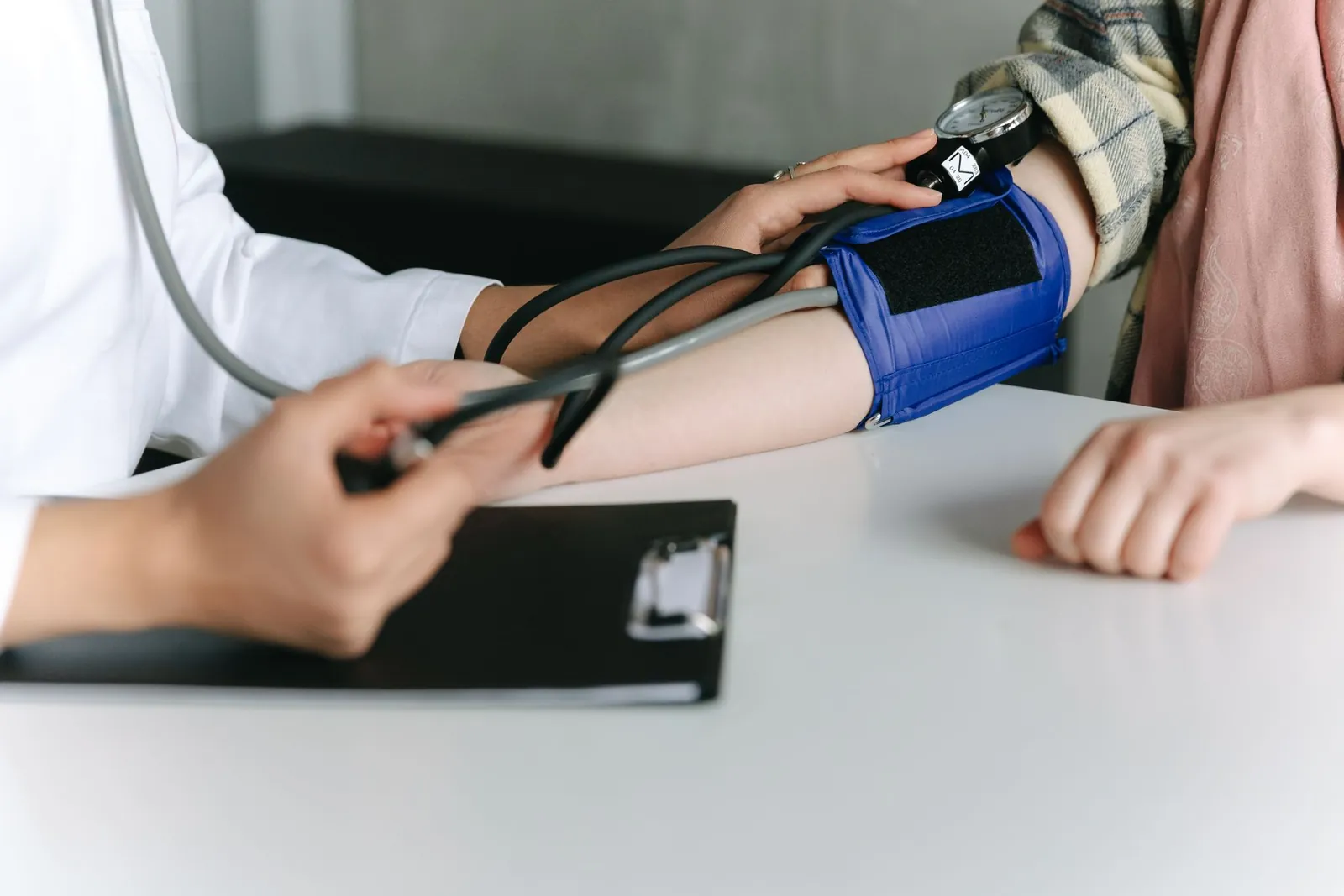
- Sit and rest for 5 minutes first. No coffee, smoking or exercise in the 30 minutes before, and empty your bladder.
- Sit with your back supported, feet flat, arm resting on a table with the cuff at heart level. Do not talk during the reading.
- Take 2 readings 1 minute apart and use the average; take a third if they differ a lot.
- At home, measure morning and evening for 7 consecutive days before your appointment, discard day 1, and bring the average to the doctor.
- Use a validated automatic upper-arm monitor. Wrist monitors are more easily inaccurate.
Good to know: A single reading taken while stressed, in pain or short of sleep is not a diagnosis. If your first reading is high, repeat at home as above and bring the results for assessment.
When medication is needed
The doctor looks at the blood pressure number together with your overall cardiovascular risk: age, diabetes, high cholesterol, smoking, kidney disease, and any sign that organs are already affected, such as protein in the urine or a thickened left ventricle.
Persistent readings are assessed together with medical conditions and overall risk before deciding when to start treatment. Coronary disease, diabetes or organ damage can change the decision even below the usual threshold.
Very high readings are not a reason to buy tablets, increase a dose or take someone else’s medicine. A clinician should assess urgency and plan treatment.
Sources: [1] สมาคมความดันโลหิตสูงแห่งประเทศไทย, [4] Thai Hypertension Society / Asian Biomedicine
The target once treated
Targets depend on age, frailty, medical conditions and treatment tolerance. Agree on an individual target with your clinician. Report dizziness or unusually low readings rather than stopping medicine yourself.
Sources: [1] สมาคมความดันโลหิตสูงแห่งประเทศไทย, [4] Thai Hypertension Society / Asian Biomedicine
Lifestyle changes that lower blood pressure

Scroll sideways to read the full table →
| Change | Approximate drop in systolic |
|---|---|
| Weight loss (per 1 kg lost) | 1 mmHg |
| DASH-style eating: vegetables, fruit, whole grains, low-fat dairy, less red meat and sweets | 8–14 mmHg |
| Sodium under 2,000 mg/day (about 1 teaspoon of salt, including what is hidden in food) | 5–6 mmHg |
| Aerobic exercise 150 minutes a week | 4–9 mmHg |
| Limiting alcohol | 2–4 mmHg |
The main sodium source in a Thai diet is not table salt but fish sauce, soy sauce, seasoning powder, instant noodles, processed food and dipping sauces. Halving these has a clearer effect than simply not adding salt.
Signs that mean the emergency room, not an appointment
- Systolic above 180 or diastolic above 120 mmHg with chest pain, breathlessness, weakness, numbness, speech difficulty or vision changes: seek emergency care immediately.
- Very high blood pressure in pregnancy, especially with swelling, headache or visual disturbance
Good to know: Without symptoms, wait at least 1 minute and repeat a systolic reading above 180 or diastolic above 120. If it remains high, contact your clinician promptly. New concerning symptoms need emergency care. Do not increase medication yourself.
Sources: [5] American Heart Association
Blood pressure care at the clinic
Mongkhondee Clinic diagnoses, starts treatment and follows hypertension long term. The doctor reviews your home readings, orders kidney and lipid blood tests on schedule, and adjusts medication to suit you. See chronic condition care. If you are treated elsewhere and want to collect your medication closer to home, read Can I transfer my diabetes or blood pressure care to the clinic?. And because blood pressure usually travels with cholesterol, read LDL and HDL: what is normal.
Frequently asked questions
A clinician should assess confirmed readings and overall risk. Do not base medication decisions on one number or decide to watch it for months yourself.
Related services
Related articles
Sources
- [1] แนวทางการรักษาโรคความดันโลหิตสูงในเวชปฏิบัติทั่วไป พ.ศ. 2567 สมาคมความดันโลหิตสูงแห่งประเทศไทย
- [2] 2023 ESH Guidelines for the management of arterial hypertension European Society of Hypertension
- [3] Hypertension World Health Organization
- [4] 2024 Thai guidelines on the treatment of hypertension Thai Hypertension Society / Asian BiomedicineAccessed 9 October 2026
- [5] Understanding blood pressure readings American Heart AssociationAccessed 9 October 2026
This content is general information and does not replace an examination, diagnosis or personal advice from a doctor. Published 21 September 2026
How we select sources and handle corrections