HPV vaccine at 30–45: is it too late, and is it worth it?
The HPV vaccine isn't just for teenagers. Whether you can still have it at 30, 40 or 45, how much benefit there is, whether you need a test first, and how to decide.
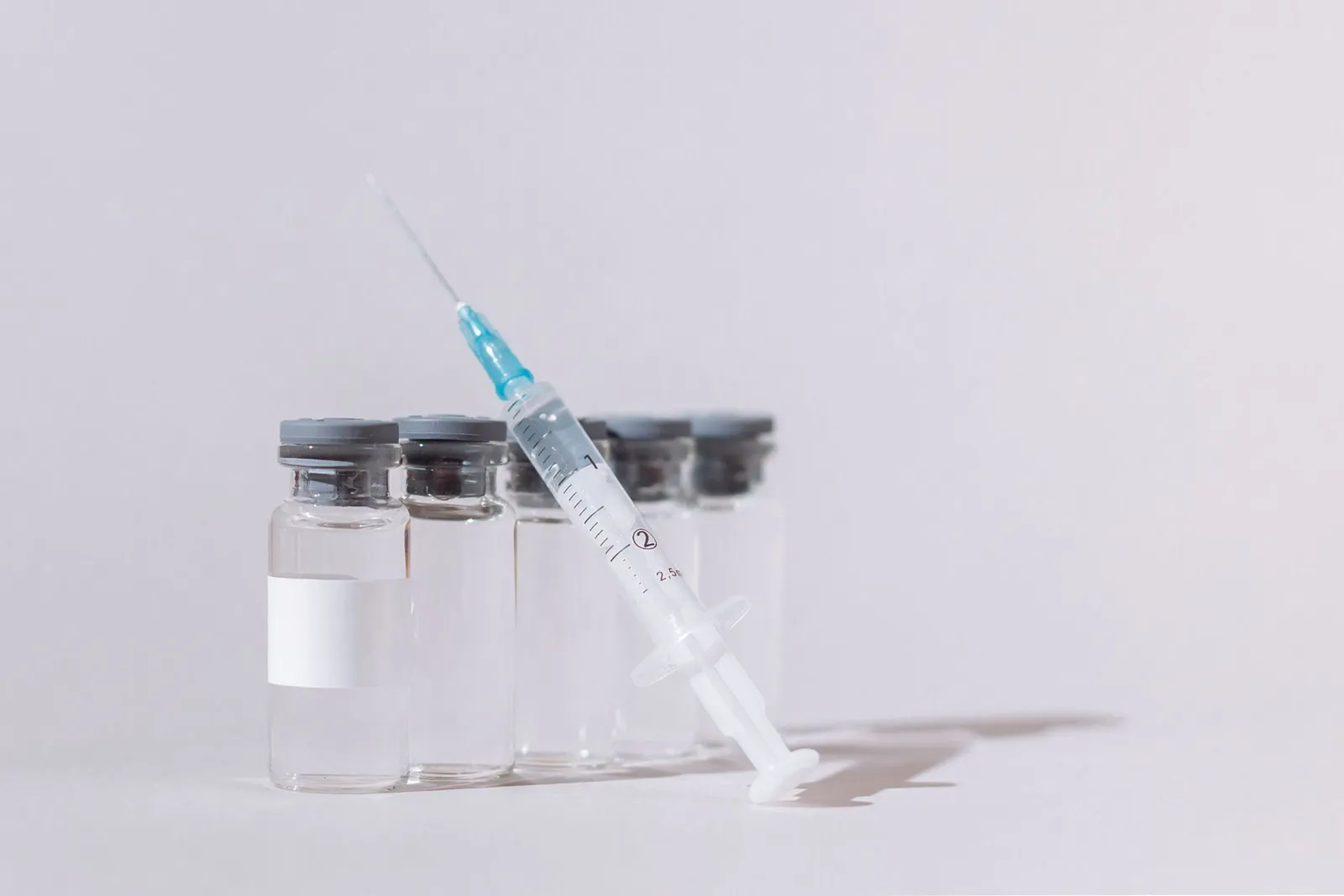
Many people aged 30–45 first hear about the HPV vaccine when they take their child for it, and wonder whether they've missed the boat. You can still have it up to 45. The benefit is smaller than for teenagers, and the sections below help you work out whether it's worth it for you.
Key takeaways
- Both the 4-valent and 9-valent HPV vaccines are licensed up to age 45 for women and men.
- The benefit for adults is protection against types you haven't yet caught, and almost nobody has caught all 9.
- No HPV test is needed first, and a previous abnormal smear is not a reason not to vaccinate.
- At 27–45 international guidance calls for a shared decision with a doctor. Women still need cervical screening on schedule whether or not they're vaccinated.
Why the main recommendation focuses on teenagers
The HPV vaccine prevents new infection but doesn't treat an existing one, so the benefit is greatest before any chance of exposure. Programmes worldwide therefore vaccinate at 9–14, an age when the immune response is strong enough that 2 doses are enough.
With age, the chance of having already caught some types rises, so the average benefit at population level falls. But for an individual, protection against types you haven't caught is still valuable, and studies in women aged 24–45 confirm the vaccine remains effective against infection and lesions from types not previously encountered.
What you gain at 30–45
- Protection against vaccine types you haven't caught (there are very likely several left), especially with the 9-valent
- A lower chance of new infection in future, which can happen at any point in life as circumstances change
- Some evidence that in people treated for pre-cancerous cervical lesions, vaccination reduces recurrence to a degree; a specialist may recommend it case by case
- For men of this age, protection against mouth and throat cancer, which becomes more common at 40–60. See can men have the HPV vaccine?
Do I need a test first?
No HPV test is needed before vaccinating. A test only shows which types are present right now, not which you've had and cleared, and it wouldn't change the advice. Women who have had an abnormal smear or a positive HPV test can still be vaccinated; it's not a contraindication.
What should go alongside it is cervical screening by age. In Thailand the universal health scheme covers HPV DNA testing for women aged 30–60 every 5 years. The vaccine doesn't replace this.
How to decide whether it's worth it for you
A full 3-dose adult course costs 3 doses 15,990 baht · medical service fee 300 baht per dose for the 9-valent and 3 doses 9,500 baht for the 4-valent. It is a one-off payment for protection that follow-up studies show lasting more than ten years with no booster needed so far.
People who usually choose to vaccinate are those who may be exposed to new infection in future, those who value proactive cancer prevention, and parents who bring a child and want to do it together. Choosing not to is also fine, as long as you keep up screening. Our doctor is happy to talk it through before you decide.
Good to know: From age 15 the course is 3 doses at 0, 2 and 6 months. It should not be given in pregnancy; if you find you're pregnant mid-course, delay the remaining doses until after the birth. There's no need to start over.
Booking and prices
See each vaccine at HPV 9-valent and HPV 4-valent, or read the comparison at 4-valent vs 9-valent. Message us on LINE with your age and previous vaccines; we'll check stock and plan your doses.
Frequently asked questions
The vaccine is licensed up to 45. Vaccination outside the licensed age is at the doctor's discretion case by case, and evidence of benefit in this group is limited.
Related services
Related vaccines
Related articles
Sources
- HPV Vaccination for Adults Ages 27 Through 45 Years U.S. Centers for Disease Control and Prevention
- Human papillomavirus vaccines: WHO position paper (2022 update) World Health Organization
- Cervical cancer screening guidelines National Health Security Office (Thailand)
This content is general information and does not replace an examination, diagnosis or personal advice from a doctor. Published 20 September 2026

Everyone's health is different
If you have a health condition, take regular medication, are pregnant or have unusual symptoms, let a doctor assess you first. Message us on LINE.