When should you get a flu shot? The right timing for Thailand
Thailand has two flu peaks a year. Which month to get vaccinated, whether it's too late if you missed it, and why you need it every year.
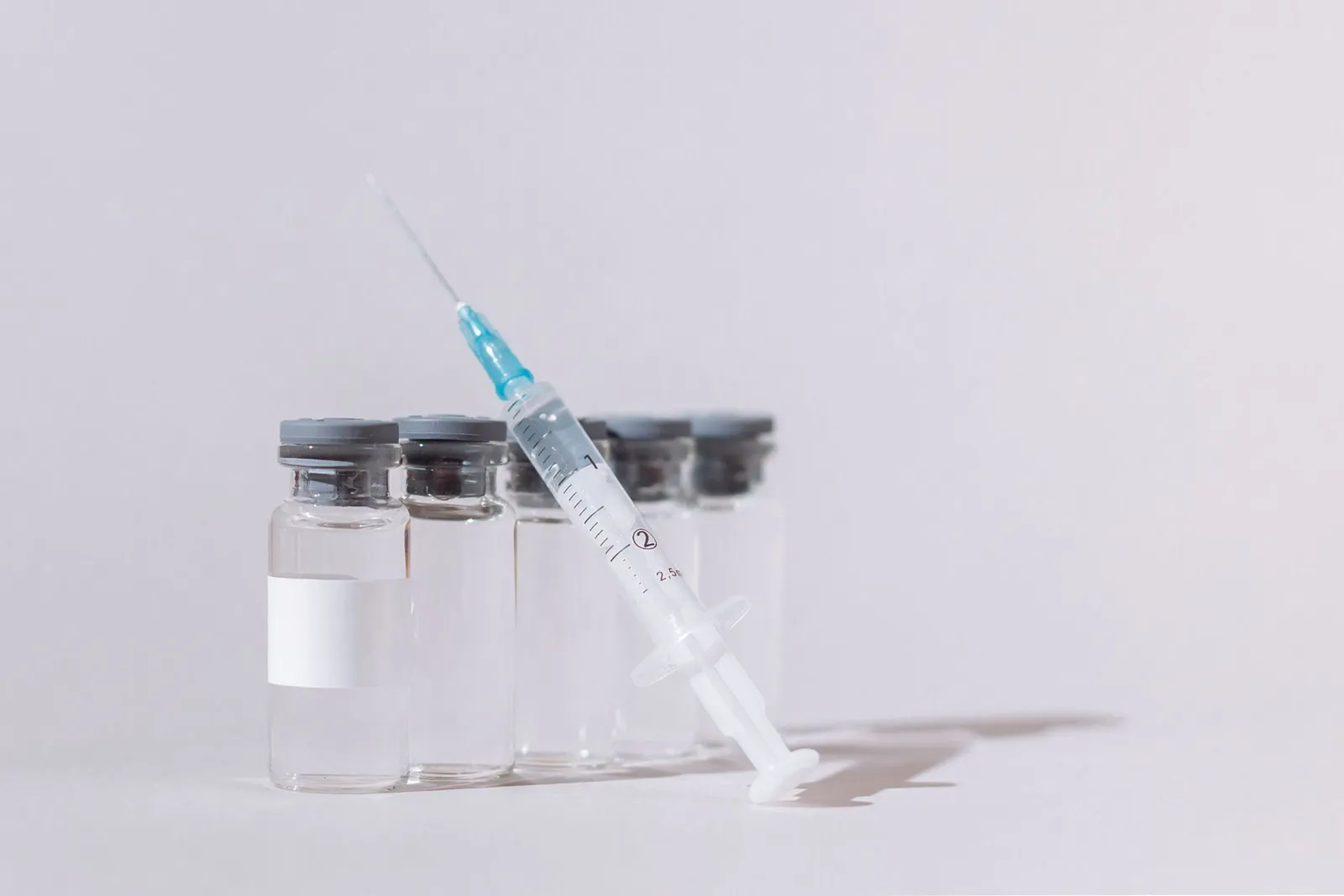
Unlike cold countries, where flu arrives once a year in winter, Thailand sees cases all year round with two clear peaks. So 'which month should I get vaccinated?' has a different answer here, including for anyone who feels they've already left it too late.
Key takeaways
- Flu in Thailand peaks in the rainy season (roughly June–September) with a smaller wave from late in the year into the next.
- The recommended timing is before the rainy season, around April–June: immunity peaks in 2 weeks and lasts roughly 6–12 months.
- If you miss that window, vaccination is still worthwhile whenever you get it, because the virus circulates all year. Don't wait until next year.
- It's needed every year, because the strains in the vaccine change with what's circulating and immunity fades over time.
When flu circulates in Thailand
Department of Disease Control surveillance shows the same pattern every year: flu cases start climbing with the rains around June, peak from July to September, then fall. A smaller wave usually follows from late in the year into early the next as the weather cools, especially in schools and air-conditioned workplaces where people are crowded together.
The Ministry of Public Health runs its vaccination campaign for at-risk groups from May to August each year, which is also when the southern-hemisphere formulation suited to Thailand arrives.
The best month to get vaccinated
After the shot your body takes about 2 weeks to build protective immunity, which then gradually declines but stays useful for roughly 6–12 months. The most valuable timing is therefore 1–2 months before the rainy season, April to June, so immunity is high through the main peak and still there for the late-year wave.
For older adults, whose immunity fades faster, vaccinating a little closer to the season (May to June) is better than early in the year. Pregnant women can be vaccinated in any trimester once the season's vaccine is available; no need to wait.
Missed the window: is it too late?
No. Many people skip the vaccine altogether once the campaign has passed, even though flu keeps circulating to the end of the year with a new wave in the new year. A shot in September, October or even December still lowers your chance of severe illness for the rest of the season.
If you vaccinate late in the year, get the next season's new formulation around April–June rather than waiting a full 12 months, because the formulation will have changed.
Why every year
- Flu viruses drift a little every year, so the WHO updates the formulation twice a year for the northern and southern hemispheres
- Vaccine immunity fades over time, especially in older adults and people with chronic conditions
- Regular yearly vaccination is linked to milder illness, even in years when the vaccine strains don't perfectly match what circulates
Plan for the whole family
Bringing the whole household in together in April–June greatly reduces flu being brought home, especially where there are older adults or babies too young to be vaccinated. Children being vaccinated for the first time may need 2 doses 4 weeks apart, so start them earlier than the adults. See how many doses children aged 6 months to 8 years need.
Mongkhondee Clinic offers the quadrivalent flu vaccine at 490 baht/dose and the trivalent at 440 baht/dose, including doctor and nursing fees. For companies that want to vaccinate staff together, see on-site vaccination.
Frequently asked questions
If you're fully recovered and fever-free, yes, no need to wait. If you still have a fever or moderate-to-severe symptoms the doctor may postpone it.
Related services
Related vaccines
Related articles
Sources
- Influenza situation in Thailand Division of Epidemiology, Department of Disease Control
- Influenza (Seasonal) World Health Organization
- Key Facts About Seasonal Flu Vaccine U.S. Centers for Disease Control and Prevention
This content is general information and does not replace an examination, diagnosis or personal advice from a doctor. Published 20 September 2026

Everyone's health is different
If you have a health condition, take regular medication, are pregnant or have unusual symptoms, let a doctor assess you first. Message us on LINE.