Flu vaccine for children aged 6 months to 8 years: how many doses and how far apart
Does a child need 2 doses the first time? The rules for children aged 6 months to 8 years: spacing, dose size, the nasal spray, and the side effects parents should know about.
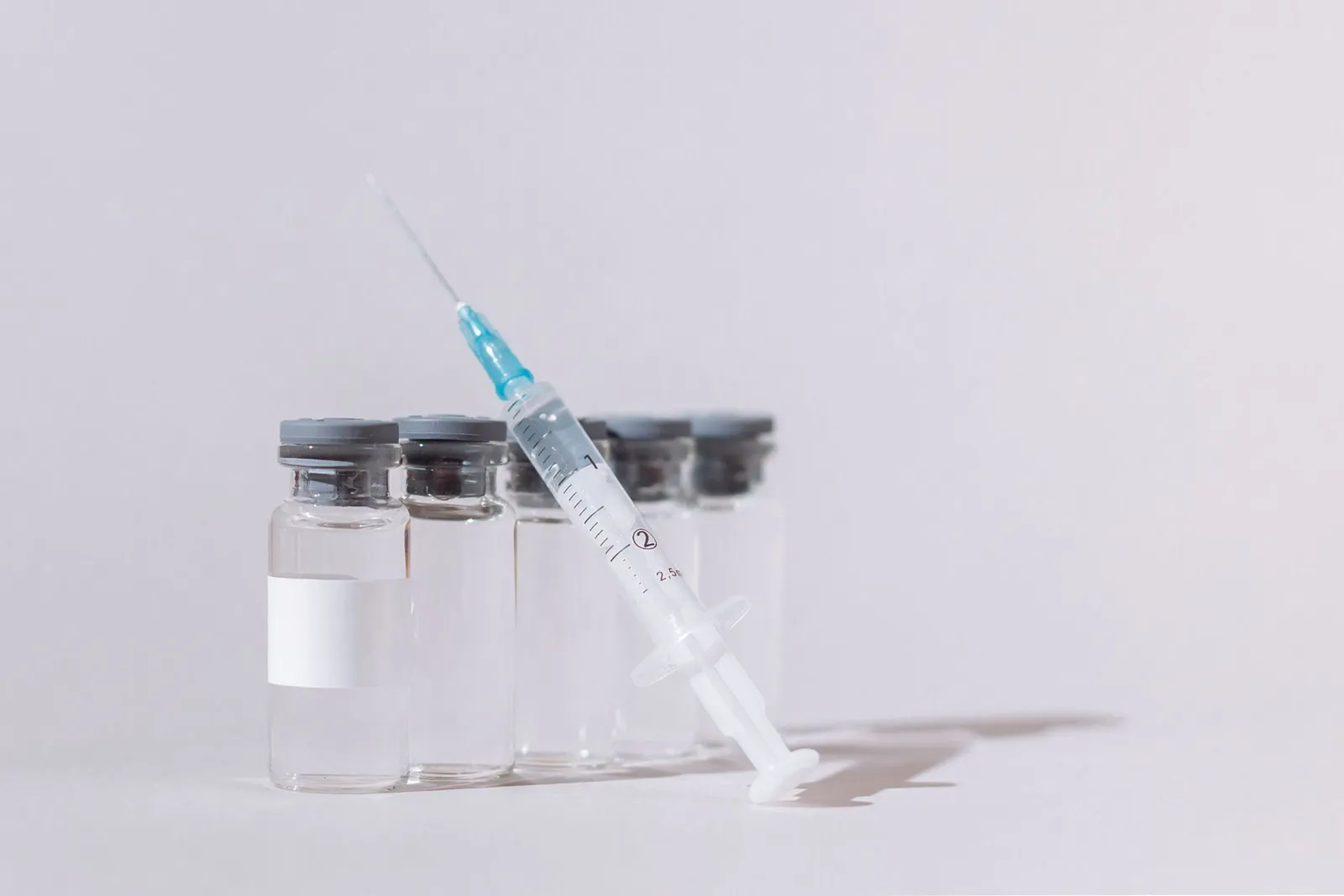
Young children catch flu more than anyone and bring it home more than anyone. The main difference from adults is that a child being vaccinated for the first time may need 2 doses. Below is who needs 2, who needs 1, and what parents should prepare.
Key takeaways
- Children aged 6 months to 8 years who have never received 2 doses of flu vaccine in their life need 2 doses at least 4 weeks apart.
- Children who have already had 2 doses, or who are 9 or older, need 1 dose a year.
- Most current vaccines use a 0.5 ml dose at every age from 6 months, according to the product label.
- The nasal spray is an option for healthy children aged 2 and over (1,490 baht/dose at the clinic).
Why a first-time child needs 2 doses
A young child who has never met the flu virus or the vaccine doesn't respond fully to the first dose. The first dose 'introduces' the virus to the immune system; the second boosts immunity to a protective level. Studies show clearly lower vaccine effectiveness in children who got only one dose in their first year compared with those who got both.
Once a child has had 2 doses in their lifetime, it's 1 dose a year from then on, because the body remembers the virus and a single dose boosts it well.
Summary table: how many doses does my child need?
| Situation | Doses this year | Spacing |
|---|---|---|
| Aged 6 months – 8 years, never vaccinated | 2 doses | At least 4 weeks apart |
| Aged 6 months – 8 years, only 1 dose ever | 2 doses | At least 4 weeks apart |
| Aged 6 months – 8 years, already had 2 doses (same year or different years) | 1 dose | — |
| Aged 9 or over | 1 dose | — |
| Under 6 months | Not yet | Protect by vaccinating mum in pregnancy and everyone at home |
Good to know: If you can't remember how many doses your child has had, bring the vaccination book. Without a record the doctor assumes the course is incomplete and gives 2 doses to be safe.
Dose size and vaccine types for children
Most current injected flu vaccines are licensed at 0.5 ml for every age from 6 months. Some older brands specify 0.25 ml for children aged 6–35 months; the doctor follows the label of the vaccine available that day. Both the quadrivalent and trivalent follow the same dose-number rules.
For children who are very afraid of needles there is a nasal spray vaccine, a live attenuated vaccine for healthy children aged 2 and over. It's not suitable for children with asthma, weakened immunity, or those taking aspirin. The 2-dose rule for the first year applies to the nasal spray too.
Side effects seen in children
- Soreness, swelling or redness at the injection site is the most common, usually gone in 1–2 days
- Low fever, fussiness, poor appetite or sleepiness on the first day; paracetamol dosed by weight is fine
- The nasal spray may cause a runny or blocked nose or a mild sore throat
- Severe allergic reactions are very rare; the clinic keeps children for about 30 minutes of observation after the vaccine
Good to know: If your child develops widespread hives, facial swelling, difficulty breathing or is unusually drowsy after the vaccine, go to a hospital immediately.
Before you bring your child
- Bring the vaccination book every time, to check previous doses and record the new one
- Tell us if your child has a severe egg allergy, has reacted to a vaccine before, has a chronic condition or currently has a fever
- For a first-time course, book the second dose 4 weeks ahead straight away so it isn't forgotten
- Start in April–June so both doses are done before the rainy season. See when to get a flu shot
Frequently asked questions
No. Give the second dose whenever convenient. Four weeks is the minimum gap; there is no maximum that resets the course.
Related services
Related vaccines
Related articles
Sources
- Flu Vaccine for Children: Dosage and Schedule U.S. Centers for Disease Control and Prevention
- Thai childhood immunisation schedule Pediatric Infectious Disease Society of Thailand
- Influenza Vaccine Safety U.S. Centers for Disease Control and Prevention
This content is general information and does not replace an examination, diagnosis or personal advice from a doctor. Published 20 September 2026

Everyone's health is different
If you have a health condition, take regular medication, are pregnant or have unusual symptoms, let a doctor assess you first. Message us on LINE.