Child with a fever: clinic or hospital? The signs that mean hurry
Which childhood fevers can be managed at home, which should come to the clinic, and the danger signs that mean the emergency room now, plus how to dose fever medicine correctly and what to bring for the doctor.
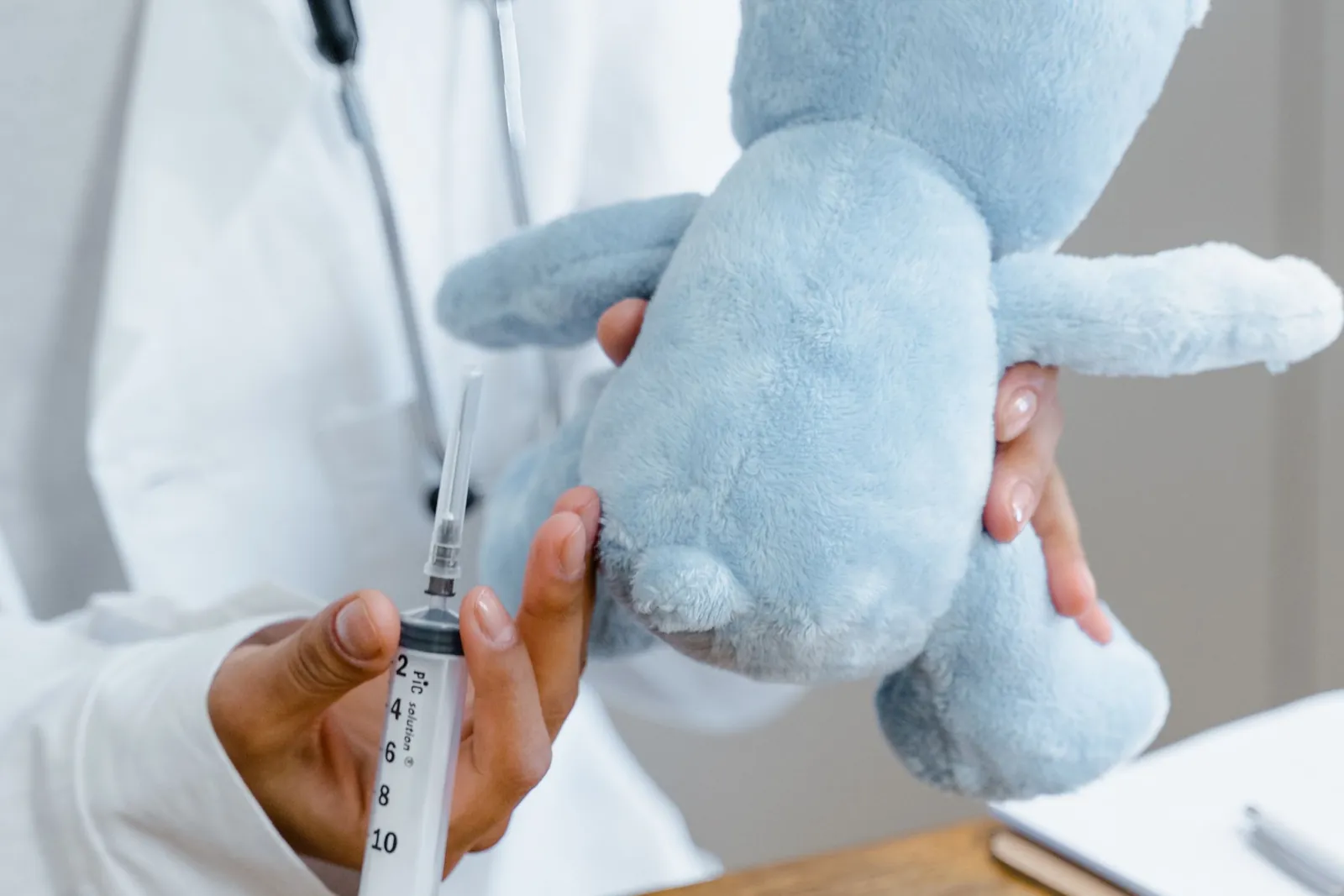
Fever is the number one reason parents bring a child to the doctor, and the hardest call to make at 2 a.m.: wait until morning for the clinic, or go to the emergency room now? The number on the thermometer tells you less than most parents think. Your child's age and what comes with the fever tell you more. The criteria below can help you decide.
Key takeaways
- Emergency room now: a baby under 3 months with a temperature ≥38°C · a seizure · very drowsy and hard to wake · fast or laboured breathing or blue lips · a purple rash that does not fade under pressure · stiff neck · no urine for over 8 hours
- Come to the clinic today or tomorrow: a child over 3 months with fever who still eats, plays and responds · fever for more than 2–3 days · fever with a bad cough, earache, painful urination, rash or frequent loose stools
- Manage at home: low to moderate fever, child still reasonably cheerful and drinking. Paracetamol by weight, 10–15 mg/kg every 4–6 hours, and tepid sponging
- Never aspirin in children, and avoid NSAIDs such as ibuprofen until dengue has been ruled out
What counts as a fever, and how much the number matters
An armpit temperature from 37.5°C, or an ear or rectal temperature from 38°C, is a fever. How high it goes does not reliably reflect how serious the illness is. A child at 40°C with an ordinary cold may still be running around, while a child at 38.5°C who is listless and refusing to drink may be sicker. Doctors look at how the child seems once the fever comes down with medicine: if they go back to playing and smiling, it is usually not a serious illness.
The exception is a baby under 3 months, where the number matters a great deal. Their immunity is immature and serious infections show few outward signs, so any temperature of 38°C or more at this age needs a doctor immediately, every time. Do not give fever medicine and wait to see.
Danger signs: go to the emergency room now, do not wait
- Under 3 months old with a temperature ≥38°C
- A seizure or jerking, even if it has stopped
- Very drowsy, hard to wake, unresponsive, or an unusual high-pitched cry
- Fast breathing, laboured breathing, ribs pulling in, flaring nostrils, or blue lips, fingers or toes
- Purple-red spots or blotches that do not fade when pressed with a clear glass
- Stiff neck, cannot bend the chin to the chest, or a bulging tense fontanelle in a baby
- Repeated projectile vomiting, or green vomit
- Dehydration: no urine for over 8 hours, dry mouth, crying without tears, sunken eyes
- Dengue warning signs: severe abdominal pain, persistent vomiting, nosebleed or bleeding gums, cold hands and feet, restlessness, especially as the fever starts to fall
Good to know: If you are not sure whether it qualifies, treat it as if it does. Going to the emergency room and being told it is nothing serious is better than waiting and missing something. Call 1669 at any hour.
When the clinic is the right place, not the hospital
A child over 3 months who has a fever but, once it comes down, still plays, smiles, drinks water or milk, and has none of the danger signs above most likely has a self-limiting viral infection. A neighbourhood clinic has advantages here: short waits, no time in a crowded emergency department alongside seriously ill patients, and a doctor with more time to examine and explain.
Come within 24 hours if: fever for more than 2–3 days with no sign of easing · heavy cough or wheezing · complaining of earache, severe sore throat or difficulty swallowing · painful or unusually frequent urination · more than 5–6 loose stools a day · a rash with the fever · a fever that comes back high after 1–2 days of improvement, which can signal a secondary bacterial infection.
Mongkhondee Clinic sees children for general illness, offers nebuliser treatment for wheezy or tight-chested children, and does basic blood tests when needed, such as a complete blood count when dengue is suspected. If the doctor judges that a hospital is the right place, we say so plainly with the reason. We are open until 20:00 on weekdays, so you can come after work.
Managing a fever at home correctly
| What | The right way |
|---|---|
| Fever medicine | Paracetamol 10–15 mg per kg of body weight per dose, every 4–6 hours, no more than 5 doses in 24 hours. Measure with an oral syringe or medicine spoon, never a kitchen spoon |
| Sponging | Room-temperature water, never cold water or alcohol. Wipe against the direction of hair growth at the neck, armpits and groin and leave the cloth 5–10 minutes. Do it 30 minutes after the medicine |
| Fluids and food | Small frequent sips of water, milk or oral rehydration solution. Do not force meals, but fluids are essential |
| Clothing | Light layers that release heat. No thick blankets even if the child shivers |
| Observe | Note the time of each dose, the temperature and symptoms so you can describe them clearly to the doctor |
Good to know: Never give aspirin to children. It risks Reye's syndrome, which can be fatal. During the rainy season, when dengue circulates, avoid ibuprofen until a doctor has examined the child, because it increases the risk of bleeding.
How many days of fever before seeing a doctor
Fever from a common virus rarely lasts more than 3 days. If the fever is still high on day 3 or not trending down, have the child seen even if they look well, because some infections, such as urinary tract infection in toddlers or dengue, have no specific signs in the first days. Fever beyond 5 days must always be assessed, and so should a fever that goes away and returns.
With dengue the most dangerous window is days 3–7, particularly as the fever falls. Read dengue symptoms and danger signs, and for a small child with a wheezy cough, RSV in young children.
What to bring for the doctor
- When the fever started, the highest temperature, and the time of the last dose of medicine
- Every accompanying symptom, however minor: rash, loose stools, less urine
- Medicines already given, with the bottle or a photo of the label
- The vaccination book, to see whether the child is protected against the suspected illness
- Exposure history, for instance flu or hand-foot-and-mouth going round at school
- Your child's most recent weight, for accurate dosing
Preventing fevers with vaccines
Many childhood fevers come from diseases with a vaccine: flu, pneumococcal pneumonia, chickenpox and dengue. Keeping vaccines up to date reduces the number of 2 a.m. temperature checks. Read optional vaccines for children and see children's vaccines.
Frequently asked questions
If the child is over 3 months, has no danger signs, and still plays and drinks once the fever comes down, give fever medicine, sponge, and watch at home. Come to the clinic if the fever is still there on day 3 or new symptoms appear.
Related services
Related vaccines
Related articles
Sources
- Fever in Children: When to Call the Doctor American Academy of Pediatrics (HealthyChildren.org)
- Fever in under 5s: assessment and initial management (NG143) National Institute for Health and Care Excellence (NICE)
- แนวทางการดูแลรักษาผู้ป่วยไข้เลือดออกเดงกี กรมควบคุมโรค กระทรวงสาธารณสุข
This content is general information and does not replace an examination, diagnosis or personal advice from a doctor. Published 20 September 2026

Everyone's health is different
If you have a health condition, take regular medication, are pregnant or have unusual symptoms, let a doctor assess you first. Message us on LINE.