Optional vaccines for children in Thailand: what they are and which to get first
The vaccines outside Thailand's free national schedule: what each protects against, at what age, how many doses, which to prioritise on a limited budget, and the clinic's prices.
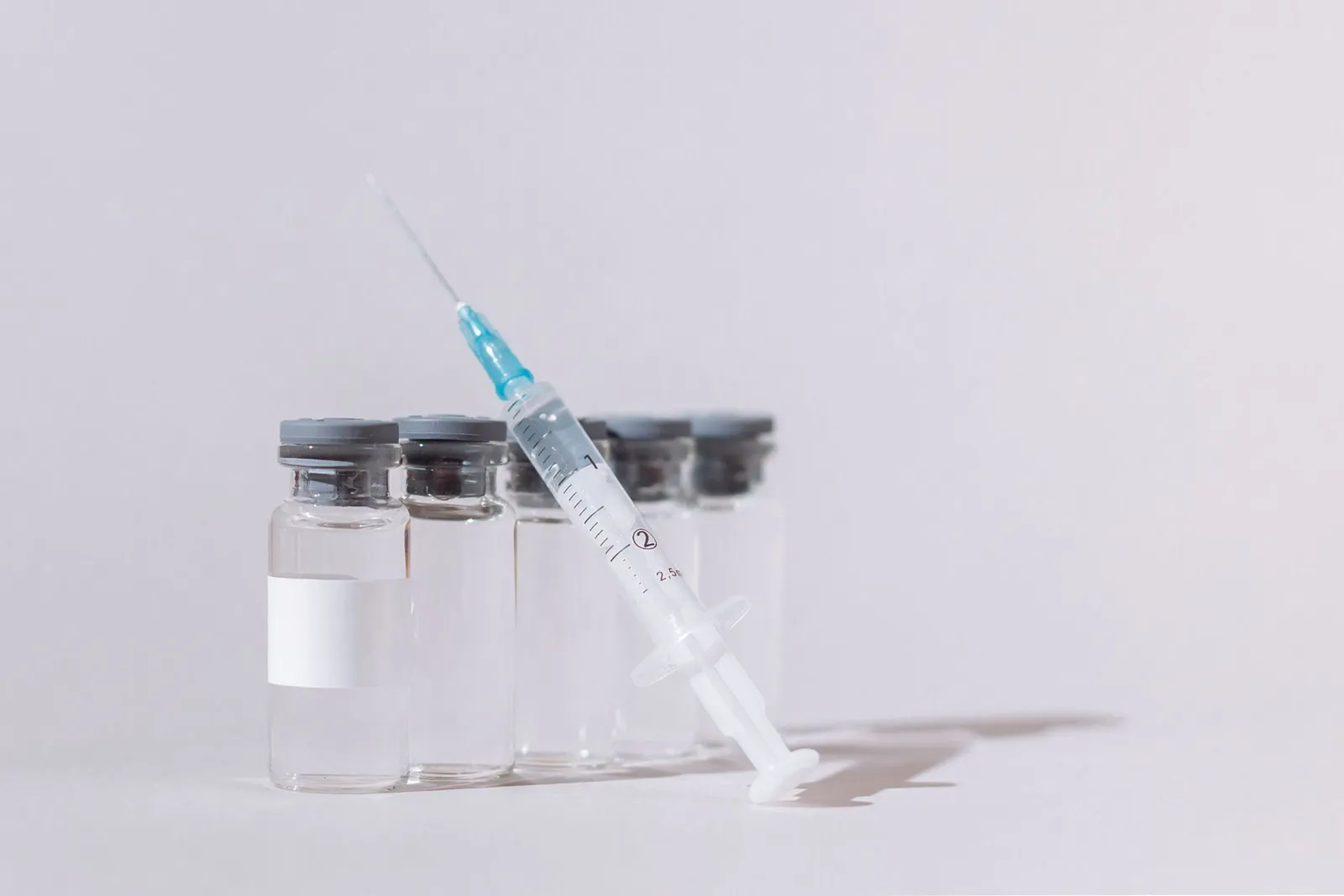
The pink vaccination book has two parts: the basic vaccines the state provides free and every child receives, and the optional vaccines paid for privately, which leave parents wondering how necessary they are. Several of the optional ones are already on the routine schedule in other countries; Thailand has not yet budgeted for them. Below they are ranked, for parents choosing one at a time.
Key takeaways
- Optional vaccines with strong evidence, recommended first by the Thai paediatric infectious disease society: pneumococcal IPD (first year of life), influenza (yearly from 6 months) and chickenpox (from age 1)
- Next in line: hepatitis A (from age 1), dengue (from age 4) and HPV for boys, or for girls who missed the school programme
- Most optional vaccines can be given at the same visit as routine vaccines, so no extra trips
- Clinic prices include doctor and nursing fees, e.g. chickenpox 1,500 baht/dose, flu 490 baht/dose, IPD 3,900 baht/dose
The free national schedule (so you can see what is already covered)
The Ministry of Public Health's Expanded Programme on Immunization gives every Thai child, free of charge: BCG, hepatitis B, diphtheria-tetanus-pertussis, polio, Hib, measles-mumps-rubella (MMR), Japanese encephalitis, rotavirus, and HPV for girls in Grade 5, plus influenza for children aged 6 months to 2 years during the annual campaign.
A child who has had all of these is protected against most serious diseases. Optional vaccines cover the remaining gaps, and several of those are diseases that are common in Thai children.
Optional vaccines in recommended order
| Rank | Vaccine | Protects against | From | Doses | Price at the clinic |
|---|---|---|---|---|---|
| 1 | Pneumococcal IPD (PCV20) | Pneumococcus: pneumonia, middle-ear infection, meningitis | 2 months | By starting age: before 6 months 3–4 doses · at 1–2 years 2 doses · from 2 years 1 dose | 3,900 baht/dose |
| 2 | Influenza | Flu and its complications | 6 months | 2 doses 4 weeks apart in the first year, then 1 dose yearly | 490 baht/dose |
| 3 | Chickenpox (varicella) | Chickenpox, and less shingles later in life | 1 year | 2 doses (second at 4–6 years, or at least 3 months later) | 1,500 baht/dose · 2-dose package 2,900 baht |
| 4 | Hepatitis A | Hepatitis from food and water | 1 year | 2 doses, 6–12 months apart | 850 baht/dose · 2-dose package 1,600 baht |
| 5 | Dengue (Qdenga) | All 4 dengue serotypes | 4 years | 2 doses, 3 months apart | 2,200 baht/dose · 2-dose package 3,900 baht |
| 6 | HPV 9-valent | HPV-related cancers, girls and boys | 9 years | 2 doses 6–12 months apart (ages 9–14) | 5,330 baht/dose |
| By risk | Rabies pre-exposure | Simpler treatment if bitten by an animal | Any age | 2 doses, day 0 and 7 | 1,450 baht/2 doses |
The order reflects disease severity, how common each is in Thai children, and the recommendations of the Pediatric Infectious Disease Society of Thailand. The doctor may reorder for an individual child. A child starting nursery early, for instance, should have IPD and flu before anything else.
Why IPD comes first
Pneumococcus is the main cause of severe pneumonia, meningitis and bloodstream infection in children under 2, an age at which the immune system cannot yet make its own antibodies to this bacterium. Conjugate vaccines are on the routine schedule in more than 150 countries, and severe disease in children fell by more than 80% after introduction. Thailand is gradually adding it to the national programme; until then it is paid for privately.
The number of doses depends on the starting age: starting early takes more doses but covers the riskiest period, while starting after age 2 needs only one. See pneumococcal vaccine, 20-valent.
Chickenpox: often mild, still worth preventing
Most children recover from chickenpox on their own, but a minority develop bacterial skin infection, pneumonia or encephalitis, and every child misses at least a week of school with a parent off work. The virus also stays in the body and can return as shingles in adulthood, so childhood vaccination reduces both chickenpox now and shingles later. Two doses: the first at age 1, the second at 4–6 years or earlier, at least 3 months after the first. See chickenpox vaccine.
Flu and dengue: two diseases that arrive with every rainy season
Young children are the group most often ill with flu and most likely to bring it home. Vaccination starts at 6 months, with 2 doses in the first year. Read flu vaccine for children: how many doses. For dengue, school-age children of 5–14 have the highest case rates in Thailand. The vaccine starts at age 4, 2 doses 3 months apart, no blood test first. Read dengue vaccine: from what age can children have it.
Can optional vaccines be given with routine ones
- Yes. All non-live vaccines can be given on the same day in different sites, for example IPD with the 5-in-1 at 2, 4 and 6 months
- Live injectable vaccines (MMR, chickenpox, live Japanese encephalitis, dengue) should be given on the same day, or at least 4 weeks apart if not
- Several injections in one visit do not 'overload' a child's immune system, which handles thousands of times more antigens in everyday life
- Bring the vaccination book every time so the doctor can see what is complete, what is due, and fit the plan around existing appointments
Good to know: Prices are as published by the clinic until 31 December 2026; vaccine types and stock can change. Message us on LINE with your child's age and vaccines already given and the team will plan the schedule and check stock before you travel. See all children's vaccines on the vaccines page.
Frequently asked questions
Under age 2, IPD first, because it prevents the most severe disease of this age. For an older child who has had IPD, the yearly flu vaccine: it is inexpensive and prevents the illness children catch most often.
Related services
Related vaccines
- Protects against pneumococcusPneumococcal vaccine, 20-valent฿3,900 / dose
- From 6 months of ageQuadrivalent flu vaccine฿490 / dose
- Two dosesChickenpox vaccine฿1,500 / dose
- Two dosesHepatitis A vaccine฿850 / dose
- Ages 4–60 · no antibody test neededDengue vaccine, 4 serotypes฿2,200 / dose
- Protects against cervical cancer and other HPV diseasesHPV vaccine, 9-valent฿5,330 / dose
Related articles
Sources
- ตารางการให้วัคซีนในเด็กไทย แนะนำโดยสมาคมโรคติดเชื้อในเด็กแห่งประเทศไทย สมาคมโรคติดเชื้อในเด็กแห่งประเทศไทย
- แผนงานสร้างเสริมภูมิคุ้มกันโรค กองโรคป้องกันด้วยวัคซีน กรมควบคุมโรค
- Child and Adolescent Immunization Schedule by Age U.S. Centers for Disease Control and Prevention
This content is general information and does not replace an examination, diagnosis or personal advice from a doctor. Published 20 September 2026

Everyone's health is different
If you have a health condition, take regular medication, are pregnant or have unusual symptoms, let a doctor assess you first. Message us on LINE.