Dengue vaccine (Qdenga): can I get it after having dengue, and from what age can children have it?
The questions we hear most about the Qdenga (TAK-003) dengue vaccine: is it worth having after you have already had dengue, how long to wait, from what age children can start, who should not have it, and the price.
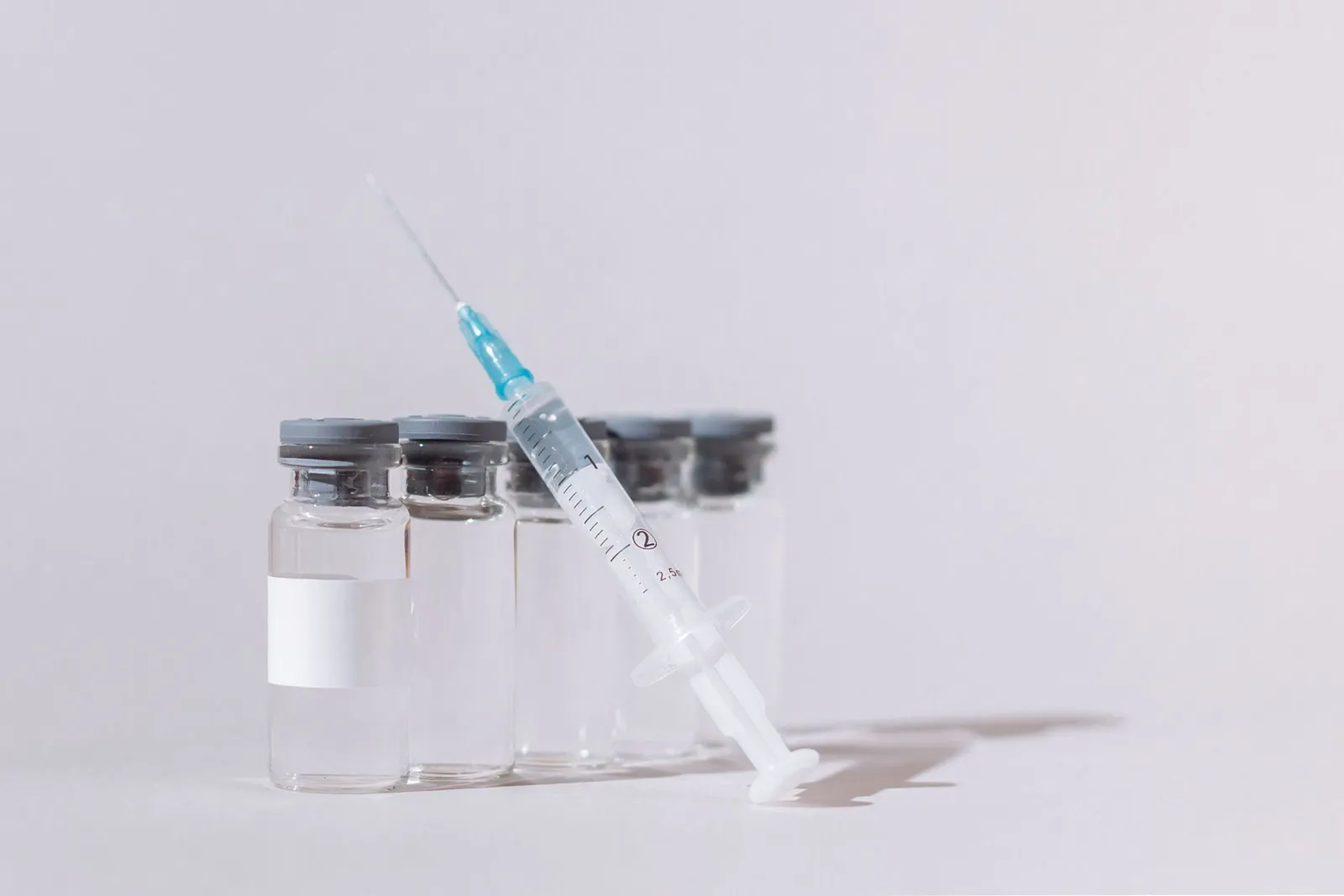
The previous generation of dengue vaccine had a major limitation: you had to have been infected before to receive it. Many people still remember that and ask 'can I have it if I've already had dengue?' or 'can I have it if I never have?' Qdenga, the vaccine used in Thailand today, answers yes to both, though there are details on timing, age and who should not have it that are worth knowing before you come.
Key takeaways
- If you have had dengue before you can be vaccinated, and you are among those who benefit most: a second infection with a different serotype is usually more severe than the first.
- After recovering from dengue, wait about 6 months before vaccination, following the Pediatric Infectious Disease Society of Thailand.
- Children can start at age 4, adults up to age 60. Two doses 3 months apart, no blood test needed first.
- Not for pregnant or breastfeeding women or anyone immunocompromised, because it is a live attenuated vaccine. Price at the clinic 2,200 baht/dose (2-dose package 3,900 baht)
Why vaccinate if you have already had dengue
There are four dengue serotypes. Recovering from one gives lifelong immunity to that serotype only, and cross-protection against the others for just a few months. After that, the partial antibodies left behind can make an infection with a new serotype worse. That is why a second dengue infection carries a higher risk of shock and bleeding than the first.
Qdenga (TAK-003) covers all four serotypes. In the pivotal trial of more than 20,000 children aged 4–16, among those previously infected the vaccine reduced symptomatic dengue by about 76% and hospitalisation by about 86%. People who have had dengue are therefore the group doctors most often recommend it for.
Just recovered from dengue: how long to wait
In the weeks after recovery the body still carries high, temporary cross-reactive antibodies. A live vaccine given during that window may be partly neutralised before it can do its job. The Pediatric Infectious Disease Society of Thailand therefore advises waiting at least 6 months after infection before the first dose. The doctor will ask when you were ill and decide case by case.
If you catch dengue between the first and second dose, tell the doctor; the second dose may be postponed on the same principle, without restarting the course.
Never had dengue: can I still have it?
Yes, and no antibody test is needed first, which is the main difference from the earlier vaccine. In people never infected, the vaccine protects well against serotypes 1 and 2, with more limited data for serotypes 3 and 4. The WHO therefore recommends it in high-transmission settings where most of the population has already been exposed. Thailand is one of those settings, Bangkok especially, with cases every year.
If you cannot remember whether you have had dengue, which is true of most adults in Thailand, you do not need to find out before vaccination. The doctor assesses age, where you live and overall health.
From what age can children have it, and up to what age for adults
| Details | |
|---|---|
| Licensed age range in Thailand | 4 to 60 years |
| Doses | 2 doses, 3 months apart |
| Antibody test before vaccination | Not required |
| Especially recommended for | School-age children, anyone who has had dengue, adults with chronic conditions |
| Do not vaccinate | Pregnant or breastfeeding women, anyone immunocompromised or on immunosuppressants, anyone allergic to a vaccine component |
| Price at the clinic | 2,200 baht/dose · 2-dose package 3,900 baht |
Children under 4 cannot yet be vaccinated, so protection in toddlers still rests on preventing mosquito bites and removing breeding sites. For adults over 60 the vaccine is not yet licensed in Thailand; the doctor will consider individual cases.
Side effects you may notice
- Pain, swelling or redness at the injection site (the most common)
- Headache, muscle aches, tiredness or a mild fever within 1–3 days, more often after the first dose than the second
- Serious allergic reactions are very rare; the clinic keeps you for observation after the injection
- Because it is a live vaccine, women of childbearing age should avoid pregnancy for at least 1 month after each dose
Good to know: The vaccine does not replace bite prevention and does not protect against other mosquito-borne illnesses such as chikungunya and Zika. If you have a high fever for more than 2 days after vaccination, or any dengue warning sign, see a doctor. Read dengue symptoms and danger signs.
When in the year to have it
Dengue in Thailand peaks in the rainy season, roughly June to September, but occurs year-round. Because the course is two doses 3 months apart and immunity is complete after the second, starting early in the year gets you fully covered before the rains. If you start late, the first dose already gives partial protection, so there is no reason to wait for next year. See details and book at dengue vaccine, 4 serotypes.
Frequently asked questions
At Mongkhondee Clinic 2,200 baht/dose, or 2-dose package 3,900 baht, including doctor and nursing fees. Prices as published until 31 December 2026.
Related services
Related vaccines
Related articles
Sources
- Dengue vaccine: WHO position paper – May 2024 World Health Organization
- คำแนะนำการให้วัคซีนป้องกันโรคไข้เลือดออก สมาคมโรคติดเชื้อในเด็กแห่งประเทศไทย
- Dengue and severe dengue World Health Organization
This content is general information and does not replace an examination, diagnosis or personal advice from a doctor. Published 20 September 2026

Everyone's health is different
If you have a health condition, take regular medication, are pregnant or have unusual symptoms, let a doctor assess you first. Message us on LINE.